Last Updated on June 25, 2026 by Kim Crawmer, KPA CTP, LFDM
Every year, the 4th of July rolls around and I think — I need to write that post. And every year, it gets away from me. So this year I'm getting it done early, because if you have a Maremma Sheepdog or any livestock guardian dog living outside with your animals, this information matters more for you than for most dog owners.
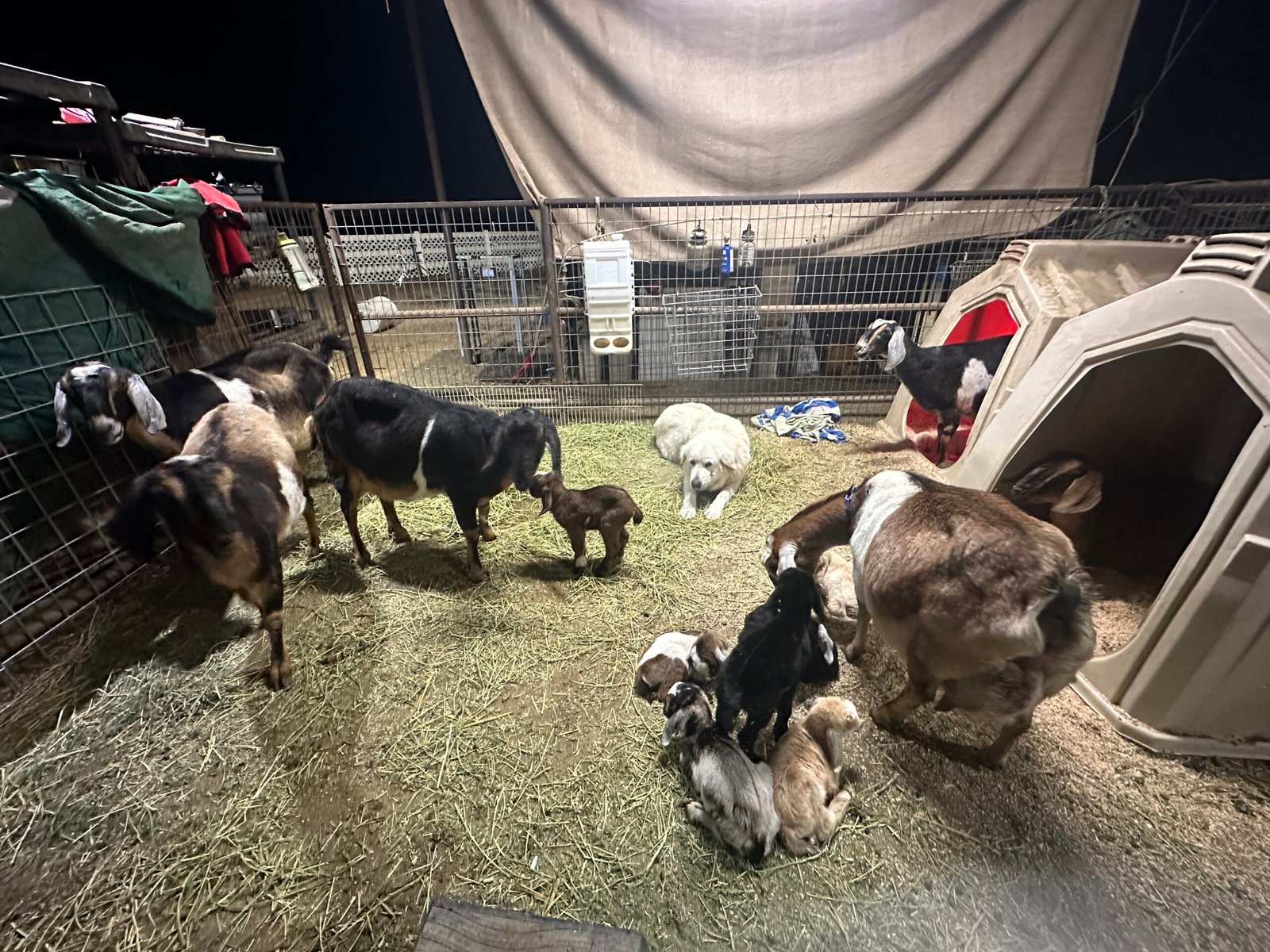
You're not going to bring your LGD inside for the evening. You're not going to put them in a crate in the living room with a white noise machine. Your Maremma is out there in the pasture — and when the fireworks start, some of them handle it just fine, and some of them absolutely do not.
Here's what I've learned from years of managing my own dogs through this.
Does Your Maremma Sheepdog Need Fireworks Preparation?
The honest answer is: it depends on the dog, and it depends on where you live.
If you're out in a rural area with no neighbors close enough to matter, you may never deal with this at all. But if you're anywhere near a residential neighborhood — or you just have that one neighbor who goes all out every year — then this is absolutely something to think about ahead of time.
What I've noticed over the years is that it also depends heavily on early socialization. I play fireworks sounds in my puppy parlor when the puppies are young specifically so they get some exposure to those types of noises before they go home. A puppy that has heard sudden loud sounds and recovered from them is going to have a very different reaction than one who has never encountered anything like it.
If you don't know how your dog responds, assume they might be bothered and plan accordingly. It's much easier to over-prepare than to scramble at 9pm on July 4th.
Why LGD Fireworks Reactions Are Different From Your House Dog
When a companion dog gets scared of fireworks, you bring them inside. Problem solved (mostly).
With a Maremma Sheepdog or other livestock guardian dog living outside, there are a few additional layers of concern:
Escape risk is real. In my experience, dogs that are already prone to testing fencing under normal circumstances will absolutely try to get out when they're panicking. A frightened LGD can clear a fence they've never even looked twice at before. I've come outside to find dogs trying desperately to get out of their pastures — and occasionally one that managed to do it. These dogs aren't being disobedient. They're scared, and their instinct is to run.
Your livestock is involved. A panicking dog loose in a pen with your goats or sheep is a problem. Even the gentlest LGD can redirect stress onto nearby animals when they're truly frightened. Keep this in mind as you plan where your dog will be during fireworks.
You can't just stay with them all night. Most of us have families, plans, and we can't sit in the pasture babysitting an anxious dog until 2am. That's why setting things up before the fireworks start is so important.
How to Keep Your Maremma Sheepdog Safe During Fireworks: Plan Ahead
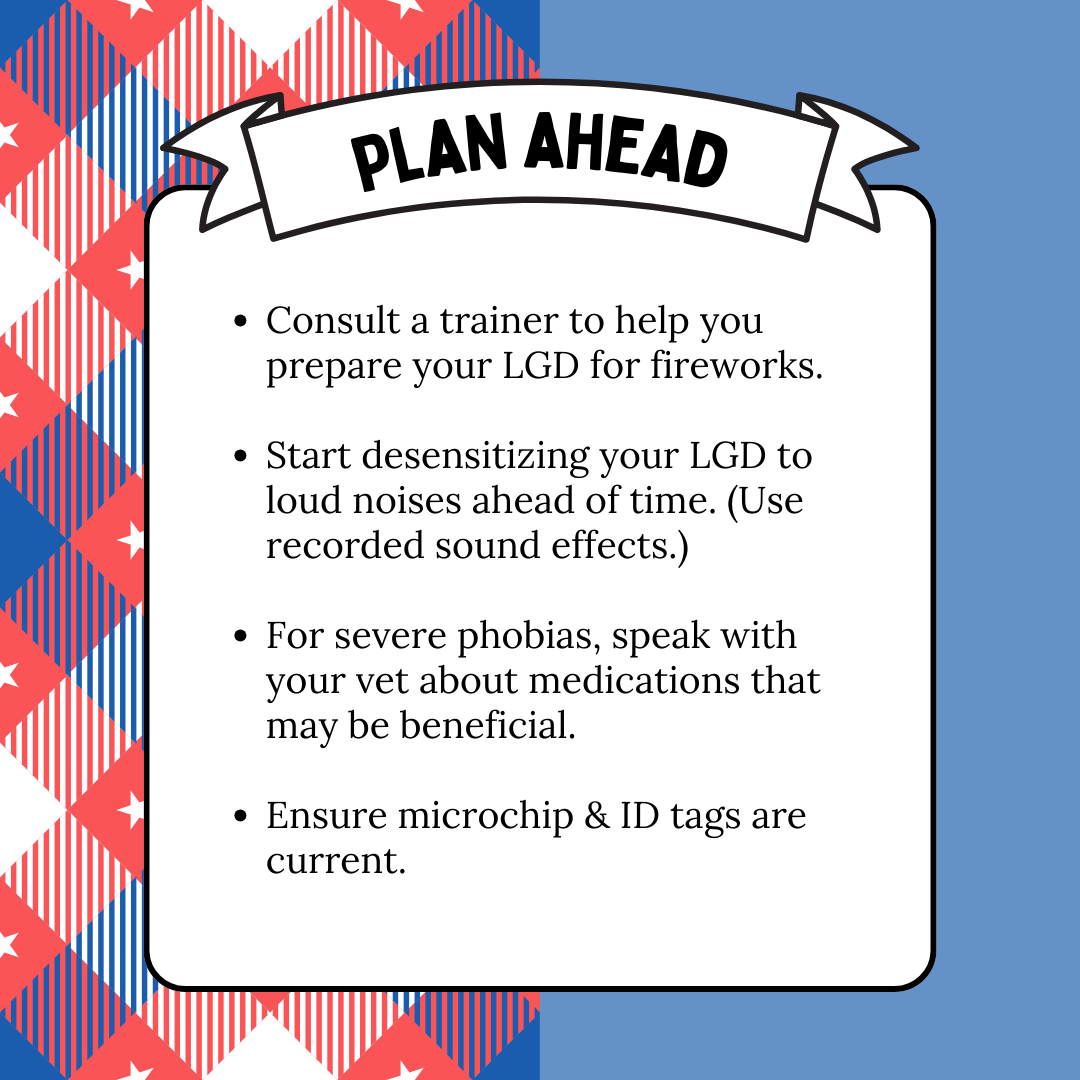
The single most important thing you can do is prepare before the holiday arrives.
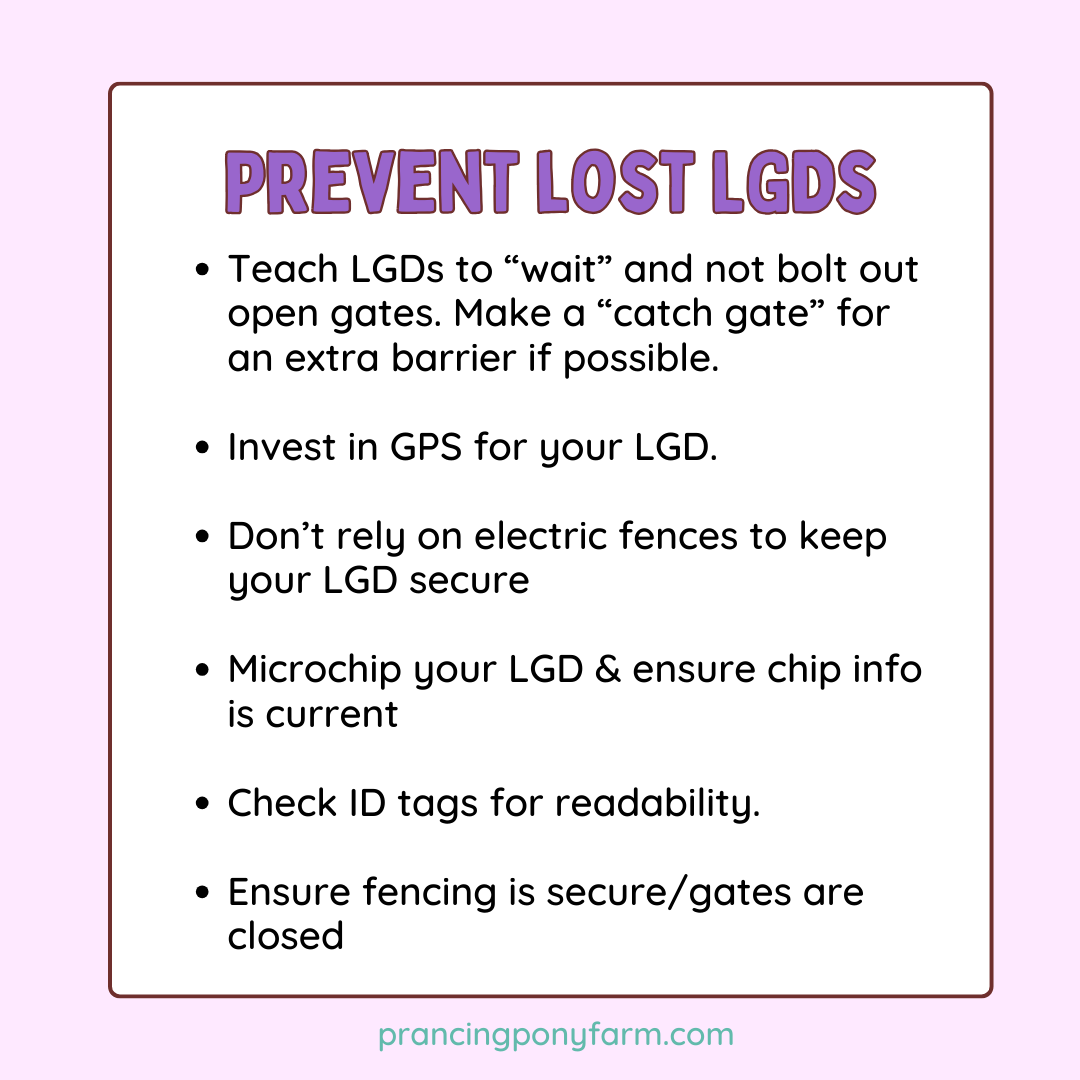
Check your identification. Make sure your dog's microchip registration is current with your current phone number and address. Check that their ID tags are legible — tags wear down quickly. If your dog doesn't have a tag, get one before July 4th. Better yet, look into collars with your phone number embroidered directly into the collar material, so there's nothing to fall off or become unreadable.
Consider a GPS tracker. If your dog has any history of escape attempts, a GPS tracker can be one of the best investments you make. I'm working on a full post about lost dog recovery that I'll link here when it's done — but the short version is that GPS dramatically changes your odds of getting a lost dog back quickly.
Start sound desensitization early. If you have time before the holiday, you can begin playing recorded fireworks sounds at a low volume and gradually increasing them over days or weeks. This is most effective when started well in advance. Apple Music and various sound effect sites have fireworks recordings you can use. This is especially valuable for young dogs or newly acquired adults who haven't been through a summer with you yet.
Talk to your vet about medication options. If you have a dog that is seriously sound-sensitive, have this conversation with your vet now — not on July 3rd. Trazodone is what I use for my most reactive dogs, and it works well when given ahead of time so the dog is already calm before the noise starts. This is not something to figure out at the last minute. Your vet may have other options they prefer, but the key is timing — the medication needs to be on board before the panic sets in.
What to Do on the Day: Be Proactive
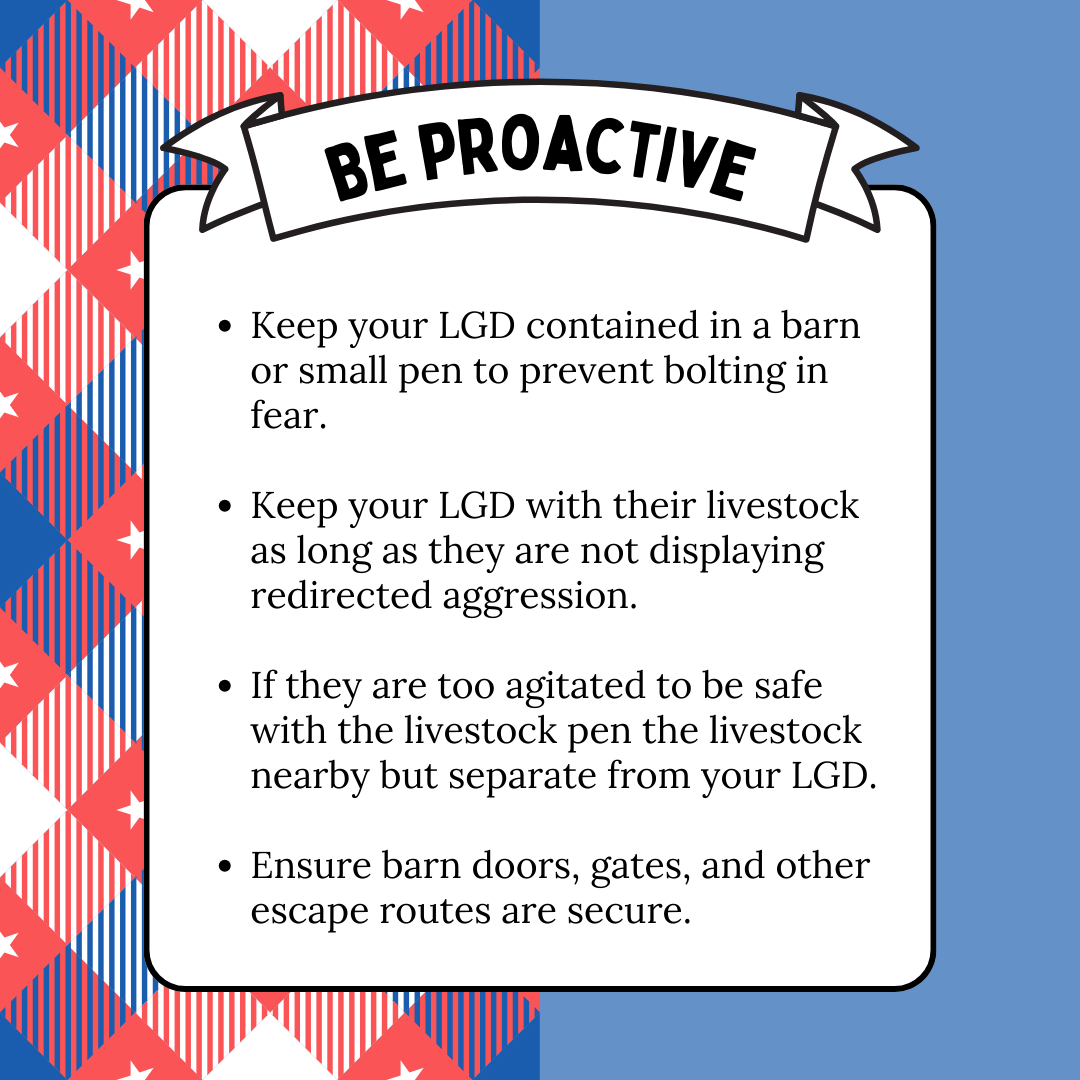
Secure your escape artists. If you have a dog that tests fencing, put them in the most secure enclosure you have before the fireworks begin. A barn with a latched door, a kennel with a roof, or a smaller secure pen are all better than a standard pasture fence for a panicking dog. Don't wait until you hear the first boom.
Keep your LGD with their livestock — with one exception. Your Maremma's natural instinct is to stay with the animals they guard, and that bond is actually calming for them in stressful situations. Being near their livestock is generally better than isolating them. However — if your dog is so agitated that they're pacing frantically and showing redirected aggression, keep the livestock nearby but pen them separately so no one gets hurt.
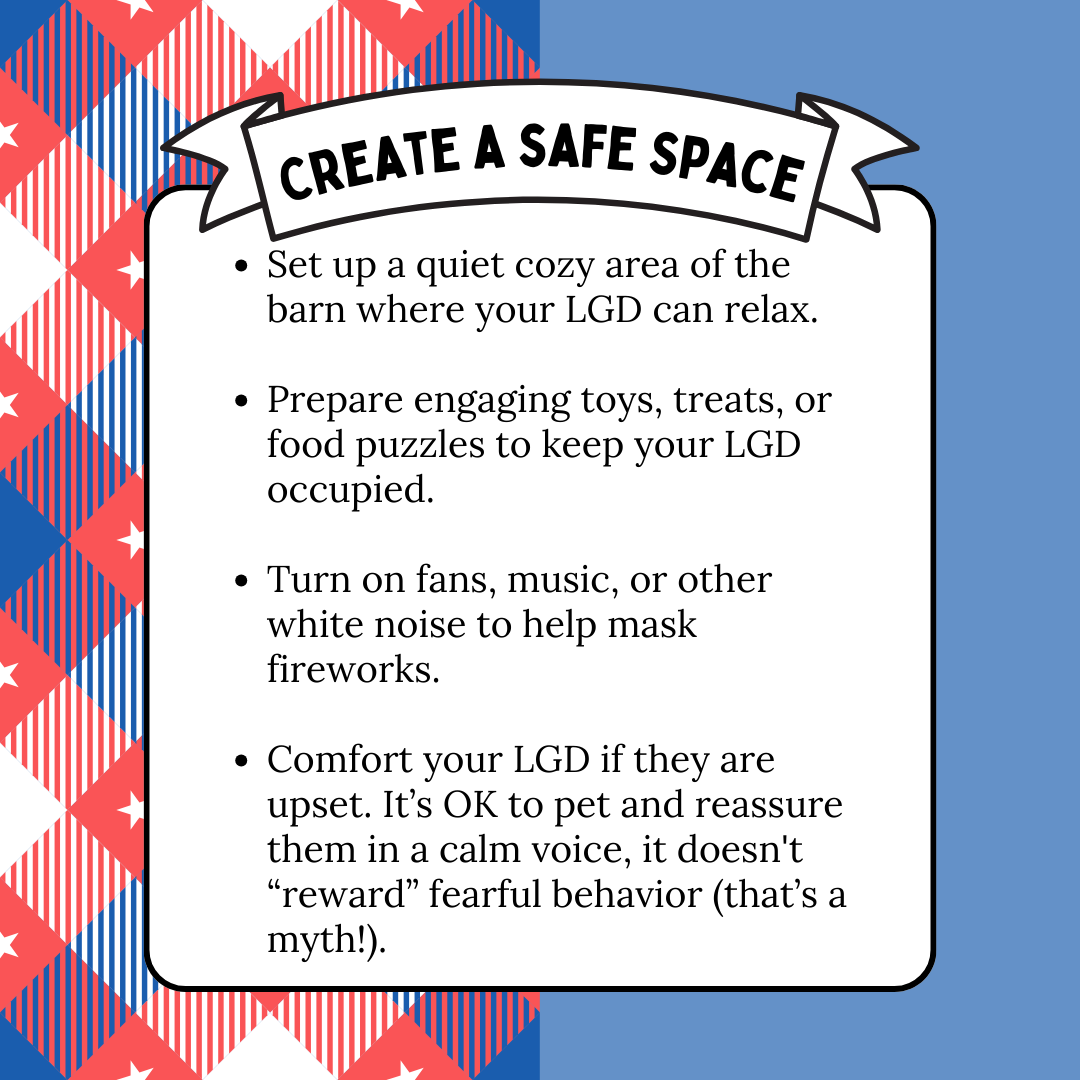
Create a quieter space. If you have a barn, this is the time to use it. Get your LGD and their livestock into the barn before it gets dark. Close the doors. Turn on a fan for white noise. If there's a cozy corner or spot your dog already likes, make it comfortable. Food puzzles or long-lasting chews can help give them something to focus on.
It's okay to comfort them. I want to say this clearly because the old-fashioned advice was to ignore a scared dog so you don't "reward" the fear. That's a myth. Comforting a frightened dog does not make them more frightened. Pet them, talk to them calmly. You're not reinforcing fearful behavior — you're providing a secure base, which is exactly what a good relationship is supposed to do.
Natural and Over-the-Counter Options Worth Knowing About
While I lean toward trazodone for dogs with significant anxiety, there are some options worth mentioning for dogs that are mildly anxious or for owners who prefer to try other things first.
Anxiety wraps (like Thundershirts). These work on a pressure principle — essentially a constant, gentle hug. They're not going to stop a truly panicked dog from trying to escape a fence, but for mild to moderate anxiety they can take the edge off. I've used them on some of my dogs with good results.
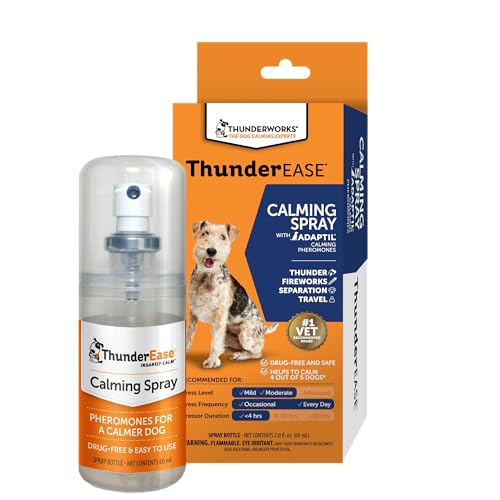
Pheromone sprays and diffusers. DAP (dog-appeasing pheromone) products mimic the calming pheromones a mother produces and can help some dogs feel more settled. These work best when used in a contained space and started a bit before the stressful event begins.
Neither of these replaces veterinary guidance for severe anxiety, but they're worth having in your toolkit.
| Product Image | Product Name / Our Rating / Price | Primary Button |
|---|---|---|
| ||




If the Worst Happens: What to Do If Your LGD Gets Out
Despite your best preparation, sometimes dogs get out. Here's what to do immediately and what to have ready ahead of time.
Right now, before anything happens:
- Verify your microchip registration is current
- Get a GPS tracker on any known escape artist
- Make sure ID tags are readable OR get an embroidered collar
- Take current, clear photos of each of your dogs
If your dog gets out:
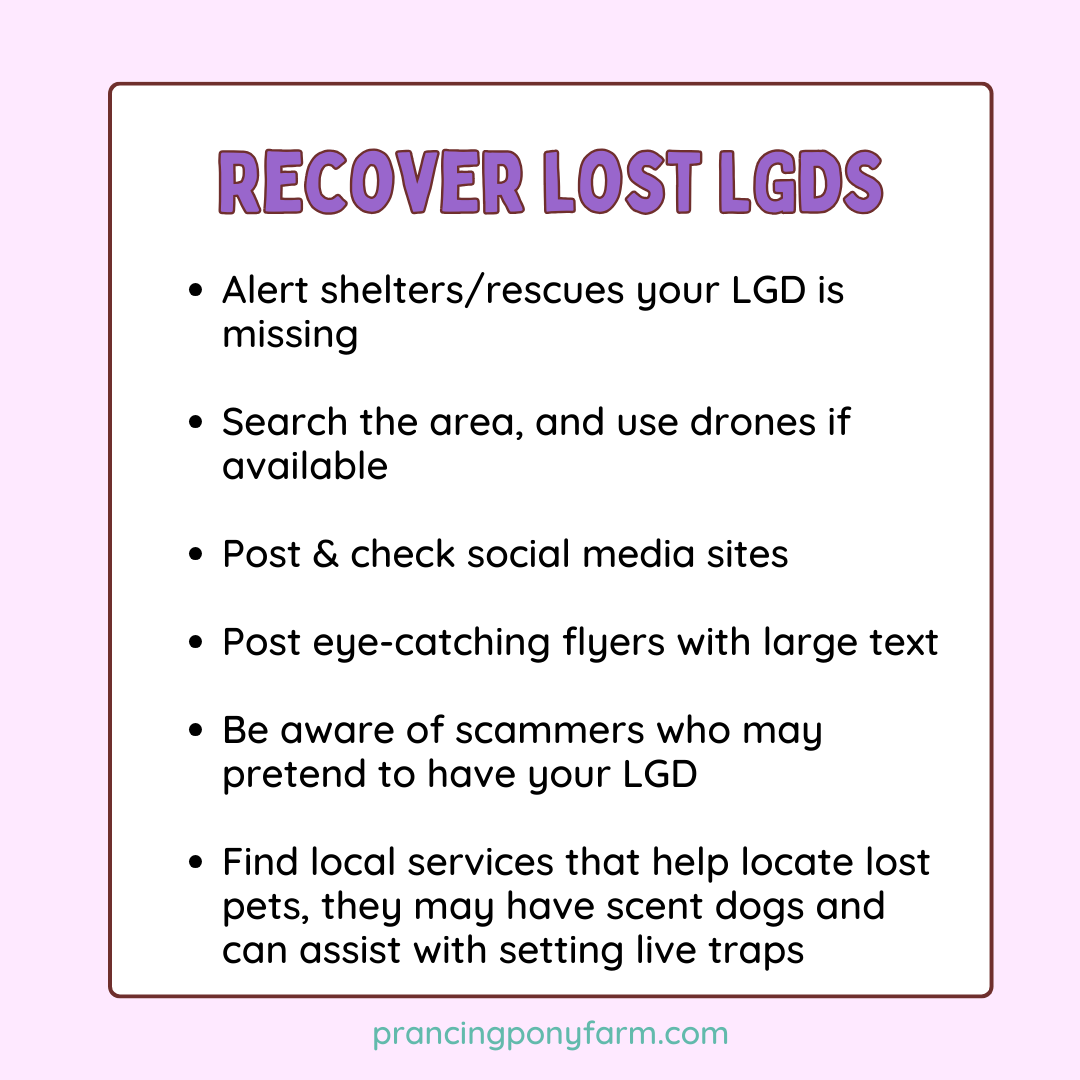
- Alert local shelters and rescues immediately and send photos
- Post on local Facebook groups, Nextdoor, and lost pet sites
- Post clear flyers with large text and your phone number
- Search the area — and use a drone if you have access to one
- Contact local lost pet recovery services, which may have scent dogs and experience with setting live traps
- Be aware that scammers sometimes pose as people who have found your dog — always verify before sending money
One more thing to keep in mind: the 4th of July isn't always limited to July 4th. People often set off fireworks the few days before and after, especially if they haven't used everything up. Stay alert through the whole holiday weekend.
Quick Recap: Maremma Sheepdog Fireworks Safety
- Know your dog — escape-prone dogs need your most secure enclosure
- Get ID, microchip, and GPS in order now, not during the chaos
- Medicate in advance if your dog has significant sound sensitivity (talk to your vet)
- Bring LGDs and livestock into the barn before dark
- White noise, chews, and calm human presence all help
- It's okay to comfort a scared dog — you won't make it worse
- Plan for the days surrounding the holiday, not just July 4th
The 4th of July doesn't have to be a crisis. A little planning ahead goes a long way — and the more years you do this, the better you'll know what each of your dogs needs.
If you have questions about your specific dog or situation, I'm always happy to help. Reach out anytime.

About the Author
Kim has been breeding and training Maremma Sheepdogs since 2016 at Prancing Pony Farm in Central California. As a certified dog trainer and licensed family dog mediator (KPA CTP, LFDM), she specializes in helping livestock guardian dog owners develop well-balanced, effective working dogs.
Have questions or Experiences to Share?
Leave a comment below or reach out directly - I love hearing from fellow farmers and LGD owners!