Last Updated on August 21, 2026 by Kim Crawmer, KPA CTP, LFDM
Understanding Maremma Life Stages: What to Expect at Every Age
The age of your dog shapes everything — how long until they're working reliably, how much supervision they need, how quickly they bond to new livestock, and how much you can expect from them on day one. Choosing the right life stage for your situation is as important as choosing the right dog.
This page breaks down what each stage actually looks like. Not the idealized version — the real one.
Looking for the right age range?
Comparing Your Options: At a Glance
| Factor | Young Puppy (8-16 wks) | Adolescent (6-18 mo) | Adult (2+ years) |
|---|---|---|---|
| Time to Working | 18-24 months | 6-24 months | Immediate |
| Training Required | Extensive | Moderate | Minimal |
| Predictability | Unknown | Developing | Fully Known |
| Supervision Needed | High | Moderate | Low-Moderate |
| Flexibility | High | Moderate | Lower |
| Experience Level | Any (with commitment) | Any with guidance | Any |
| Investment | Lower | Moderate | Higher |
Young Puppies — 0 to 6 Months
What this stage is: This is the foundation stage. Everything you do in these months shapes who this dog becomes. That's both the opportunity and the responsibility of starting with a young puppy.
What they bring:
- A completely blank slate with your farm, your livestock, your routines
- The strongest possible bonding window — these dogs will know you as their person from the very beginning
- Full influence over how they're socialized, what they're exposed to, and who they become
What you're signing up for:
- The most intensive supervision phase of any dog's life
- 12+ months before they're providing meaningful protection
- 2–3 years to full working maturity
- You are the training program — what you put in is what you get out
Best for:
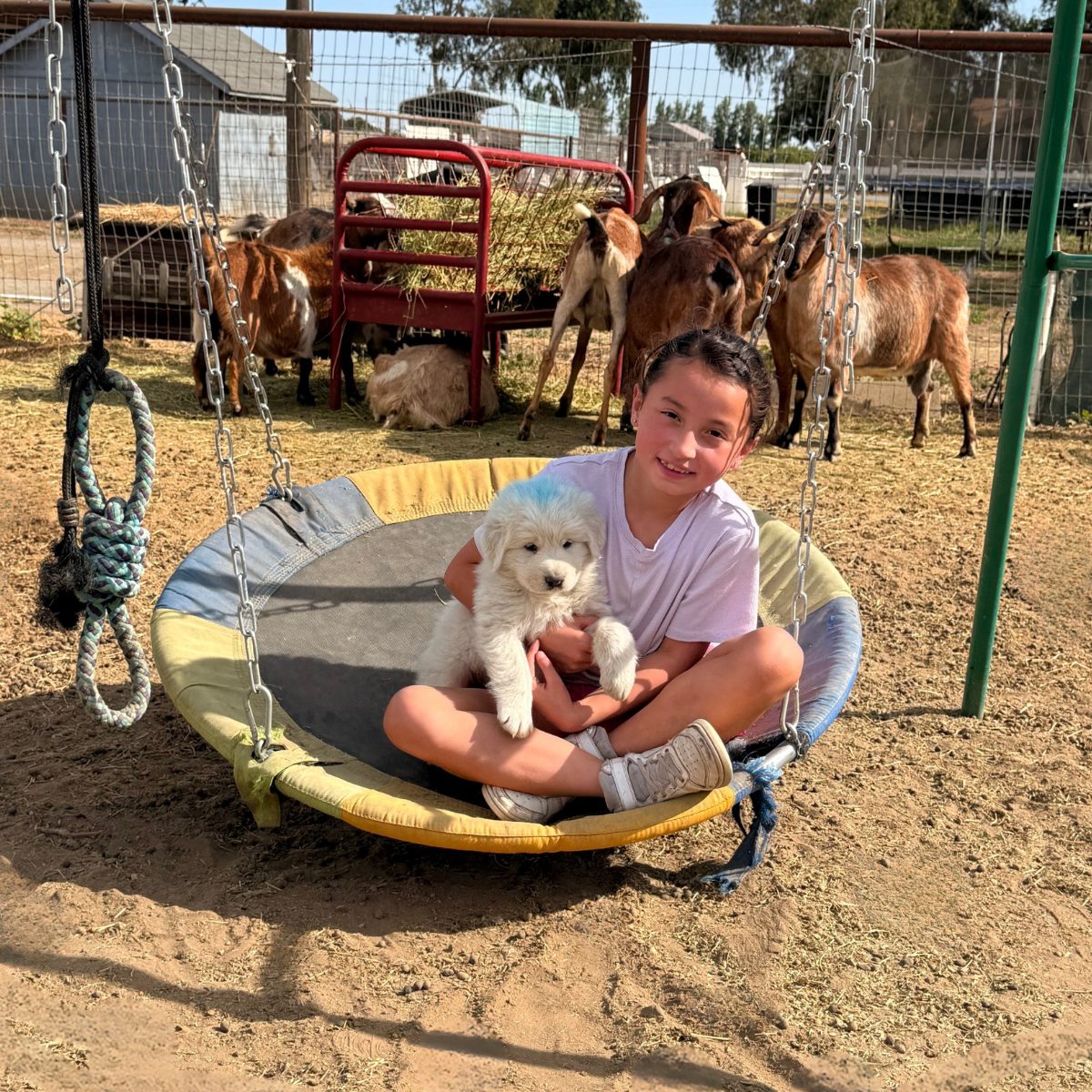
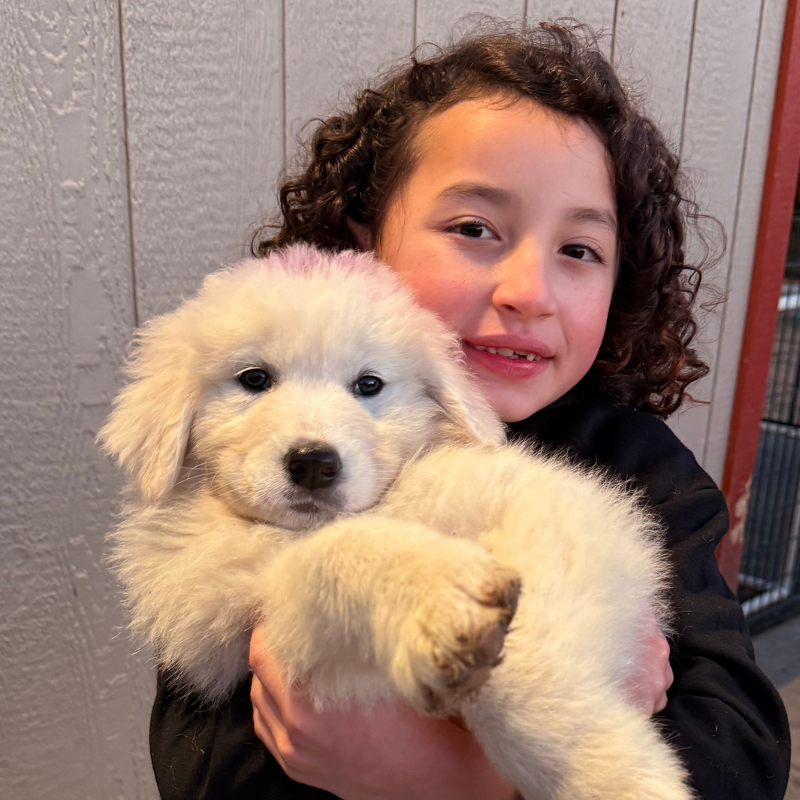
First-time LGD owners willing to invest the time, families who want to raise a puppy from scratch, situations where immediate protection isn't critical, and anyone who wants the deepest possible bond with their dog.
What the first few months actually look like
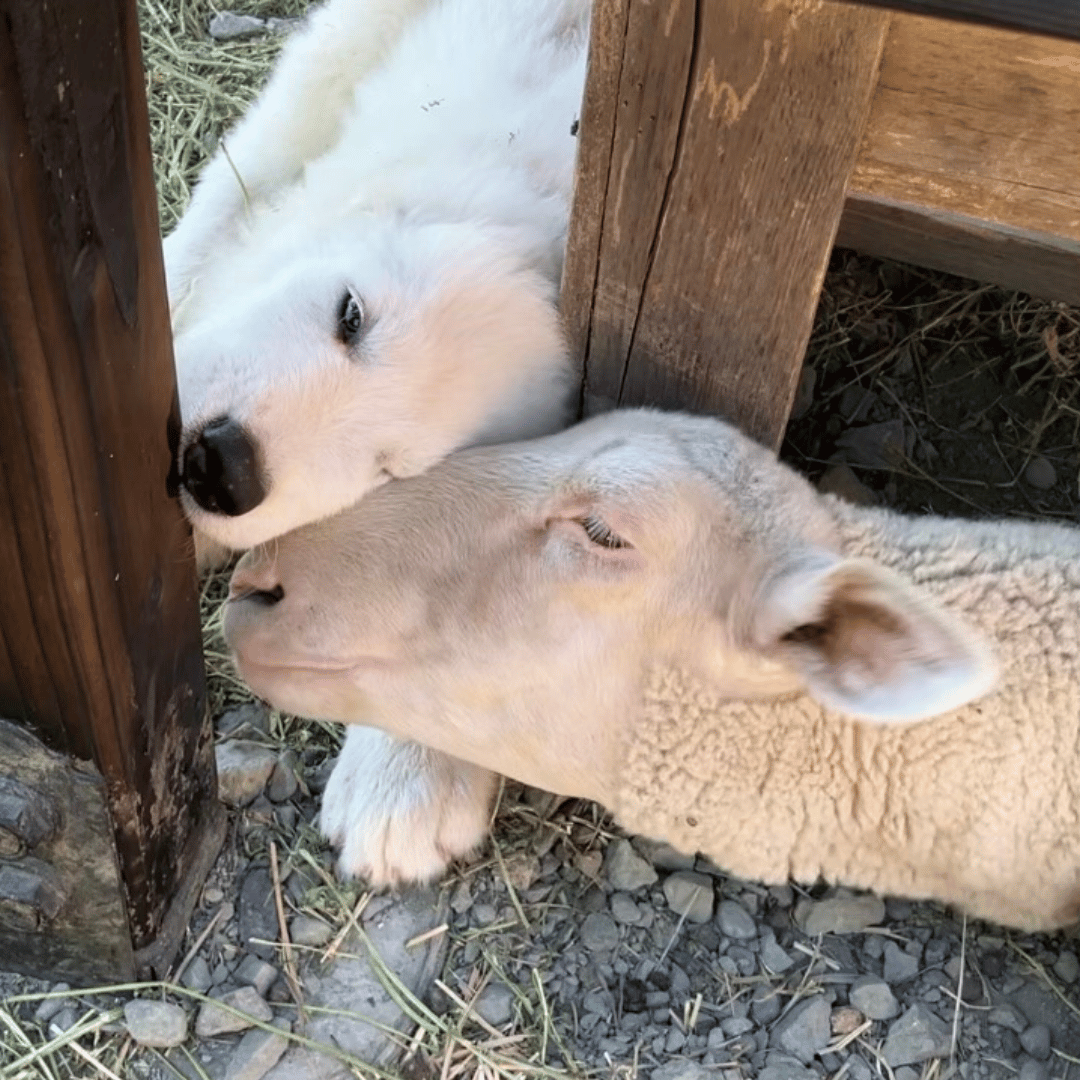
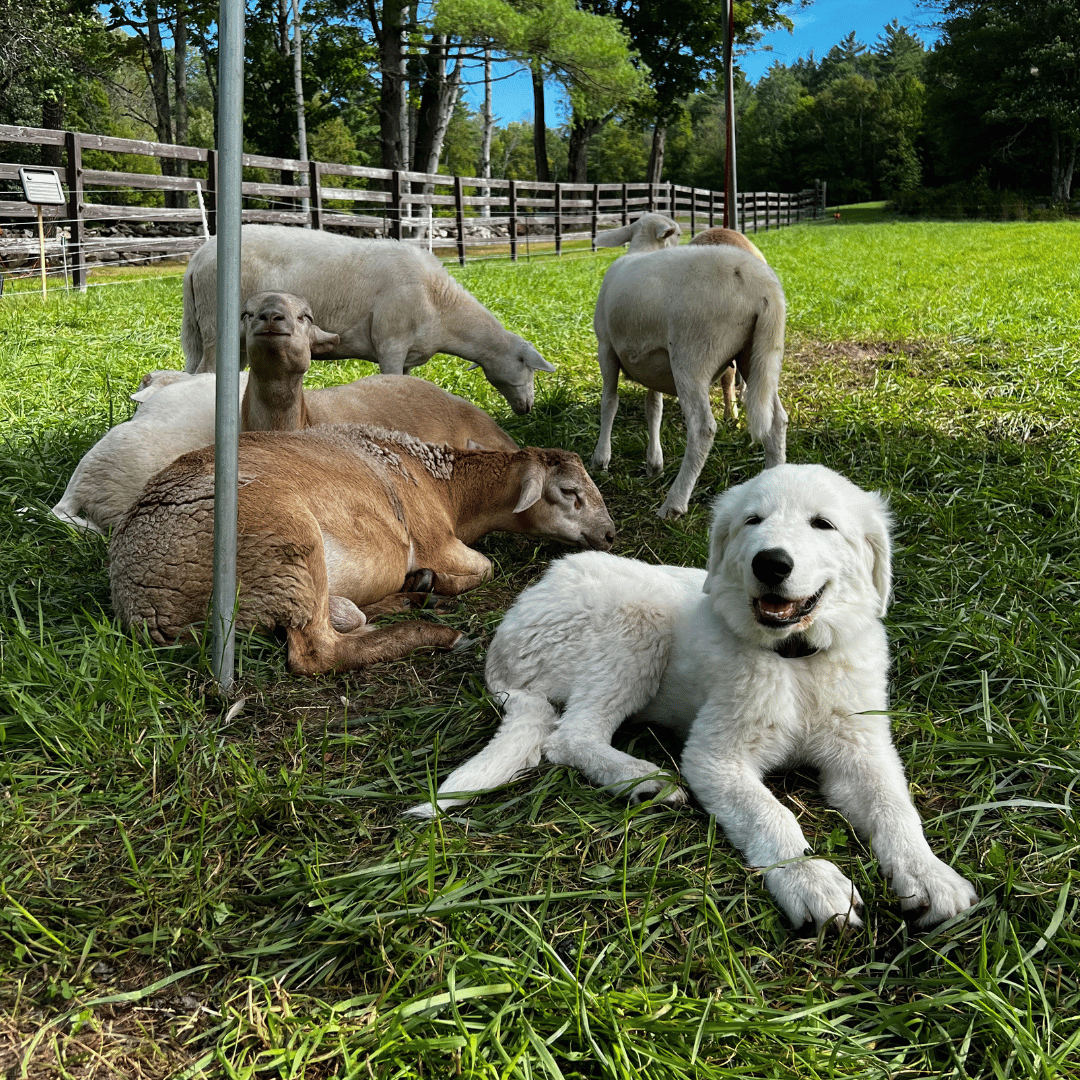
A young Maremma puppy is not a blank slate in the sense of being easy — they're a blank slate in the sense of being moldable. They need constant, thoughtful exposure to the animals they'll guard, the people they'll live with, and the environment they'll work in. Too much freedom too fast creates problems that take years to undo. Too much restriction creates a dog that never develops confidence.
The sweet spot is structured freedom — letting them explore and engage while keeping a close eye on how they're interacting with livestock, redirecting gently when needed, and building their understanding of what their job actually is. This takes daily attention, especially in the first six months.
What people get wrong about puppies
The most common mistake is assuming that because a puppy is young, they'll just "figure it out" if you put them with livestock. They won't — not reliably, and not safely. A puppy left to sort things out on their own is just as likely to develop bad habits as good ones. The foundation you build in these months is the foundation you'll be working with for the next decade. It's worth building deliberately.
This is exactly why every Prancing Pony puppy comes with lifetime breeder and professional trainer support, so you have me there to guide you as you finish the work I started.
Choose a Young Puppy if:
- You have 18-24 months to invest in training and development
- You want maximum bonding time with your LGD from the start
- You have specific livestock that need early, extensive socialization
- You want to shape every aspect of the dog's development
- Your predator pressure is manageable while waiting for maturity
Start Strong: Prepare for Success Before Your Puppy Arrives
Getting a Maremma Sheepdog is a significant investment—in time, money, and emotion. The difference between a successful working or companion Maremma and a frustrated owner often comes down to understanding your dog from day one.
The Dial Method® helps you:
- Understand what your Maremma actually needs (they're fundamentally different from other dogs)
- Set up your environment and routines for success before the puppy (or older dog) arrives
- Communicate clearly with your independent thinker
- Build confidence instead of second-guessing every decision
Available as an add-on to your Maremma reservation. Think of it as insurance on your investment—a framework you'll use for your dog's entire lifetime.
Adolescent LGDs (6-24 months)
What "Adolescent" Really Means:
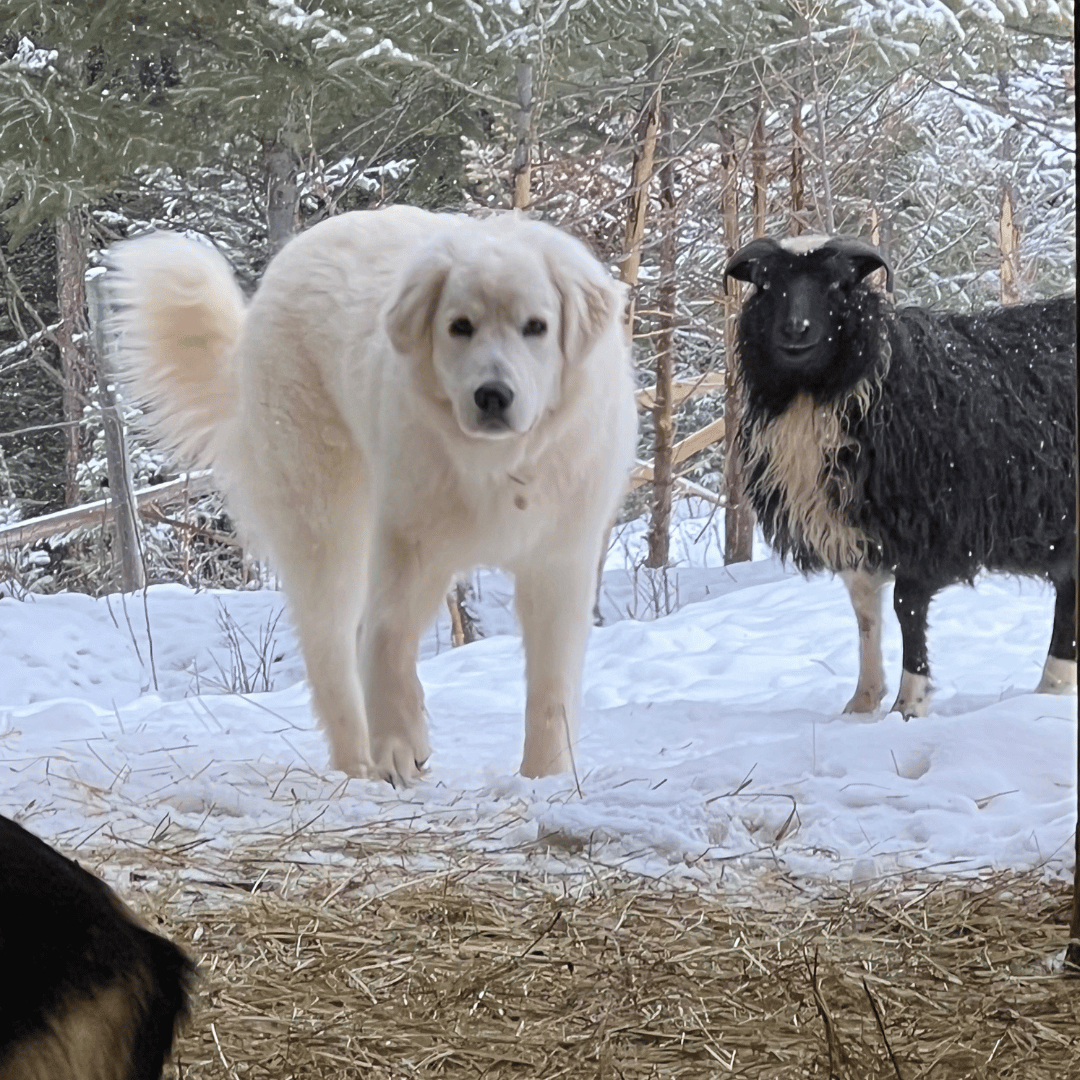
Adolescent LGDs are past the young puppy phase but haven't reached full maturity yet. Think of them like teenage humans—they've learned a lot, but they're still growing, developing, and making the occasional questionable decision.
What They HAVE Accomplished:
- ✓ Basic livestock socialization and appropriate behaviors
- ✓ Significant size and physical presence (deterrent value)
- ✓ Understanding of their livestock guardian role
- ✓ Past the most intensive puppy training phase
- ✓ Developing good instincts and decision-making

What They're STILL Developing:
- ⚠ Full physical and mental maturity (continues until 2-3 years)
- ⚠ Consistent judgment in all situations
- ⚠ Complete impulse control
- ⚠ Refined livestock guarding behaviors
- ⚠ Deep bonding with specific livestock
The Adolescent Advantage:
Adolescents offer a middle ground between puppies and adults. You're getting a dog who's already partway through the training process—they understand the basics of being an LGD and have some real-world experience. This dramatically shortens your timeline compared to starting with a 12-week-old puppy.
However, you still need to invest time in their continued development. Most are not 100% ready to work unsupervised like a mature adult. They'll need guidance, supervision, and patience as they finish maturing over the next 6-24 or so months. (Every dog is unique, with some maturing sooner and some needing a bit more time than even the 24-month mark.
Choose an Adolescent LGD if:
- You want faster results than a puppy, but can invest 6-18 months in continued development
- You have some dog or LGD experience to guide their maturation
- You want to influence the final stages of their training and bonding
- You're comfortable with some teenage unpredictability
- Your timeline is "this year" rather than "right now."
- You want a balance between cost and readiness
Setting Realistic Expectations For Adolescent Dogs
Adolescents aren't "almost done"—they're in the messy middle. Here's what to expect:
Months 1-3 on your farm:
- Adjustment period while they learn your property and livestock
- Potential boundary testing as they settle in
- Need for supervision and guidance
- Building trust and bonding
Months 3-12 on your farm:
- Continued maturation of judgment and impulse control
- Refinement of guarding behaviors
- Increasing reliability and consistency
- Growing confidence in their role
12+ months on your farm:
- Full maturity is achieved (usually by 2-3 years old)
- Established working patterns
- Reliable, consistent livestock guardian behaviors
- Deep bond with livestock
Adult LGDs (2+ years)
What "Adult" Really Means:
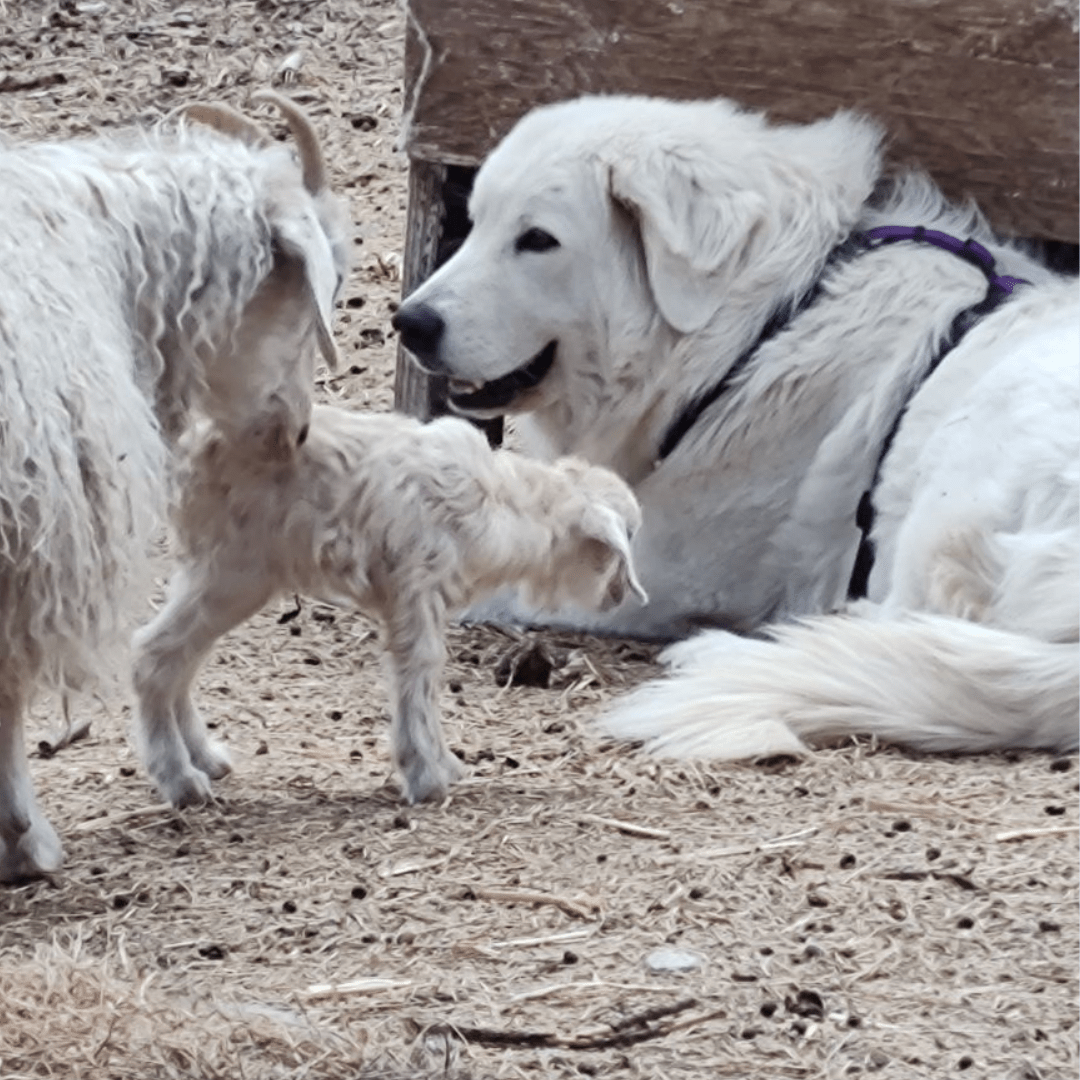
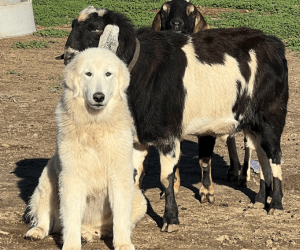
*Adult LGDs have reached physical and mental maturity. Their personality is fully formed, their judgment is established, and their working style is consistent. What you see is what you get.
What They Bring to Your Farm:
- ✓ Fully developed temperament—no surprises
- ✓ Proven track record with livestock
- ✓ Mature decision-making and judgment
- ✓ Established working patterns and behaviors
- ✓ Ability to start working effectively immediately
- ✓ Years of real-world experience
What You're Skipping:
- Skip the entire puppy phase (8-12 months)
- Skip the adolescent development period (12-24 months)
- Skip 2+ years of training, supervision, and uncertainty
- Get immediate protection instead of waiting
The Adult Advantage:
Adult LGDs are as close to ready to go to work as livestock guardian dogs get. They know their job, they've done it before, and they can generally start protecting your livestock from day one. Their temperament is proven, their skills are established, and you know exactly what you're getting.
However, all adults are different, and some mature slightly later than others. They may have established habits (good or bad), and they'll need time to bond with new livestock and adjust to a new property. Every dog transitions differently.
Choose an Adult LGD if:
- You need livestock protection immediately, not eventually
- You prefer knowing exactly what you're getting—no development surprises
- You want to skip the entire puppy and adolescent process
- You have predator pressure that requires an experienced dog now
- You're a first-time LGD owner wanting maximum predictability
- Your farm can't accommodate the supervision needs of a developing dog
Setting Realistic Expectations For Adult Dogs
Adults can work immediately, but they still need transition time:
Weeks 1-4 on your farm:
- Learning property boundaries and livestock
- Getting comfortable with new people
- Establishing new routines
- Building trust with you and animals
- Some adjustment behaviors are normal
Months 2-6 on your farm:
- Settling into consistent patterns
- Full bonding with livestock
- Bonding with new owners
- Reliable protection behaviors
- Integration complete

How We Match Dogs With Perfect Homes
We believe successful placements start with understanding both the dog's needs and your situation. Here's how we ensure the perfect match:
1. Get to Know the Dogs Browse our available LGDs to see who might be a good fit for your farm and family.
2. Start the Conversation Complete our Maremma application and schedule a call to discuss your specific needs and situation.
3. The Perfect Match We'll provide detailed information about any dogs that align with your requirements, including full behavioral assessments and transition plans.
4. Ongoing Support Every adult Maremma comes with complete health records, personalized integration support, and our lifetime commitment to your success.
What's Included:
- Complete health records and veterinary care
- Thorough behavioral and working assessment
- Personalized transition and integration plan
- Lifetime training support and guidance
Not sure whether an adult, adolescent, or puppy is the right fit? Our free quiz gives you a personalized recommendation based on your farm and situation. → Find Your Match
Ready to Talk it Through?
Book a free Discovery Call and we'll figure out together which age and which dog makes the most sense for where you are right now. Sign up below and we'll send you info on available Maremmas and a link to schedule your call. →