Last Updated on June 6, 2026 by Kim Crawmer, KPA CTP, LFDM
Lumps, Bumps, and Scabs on Your Livestock Guardian Dog: What's Normal (and What Isn't)
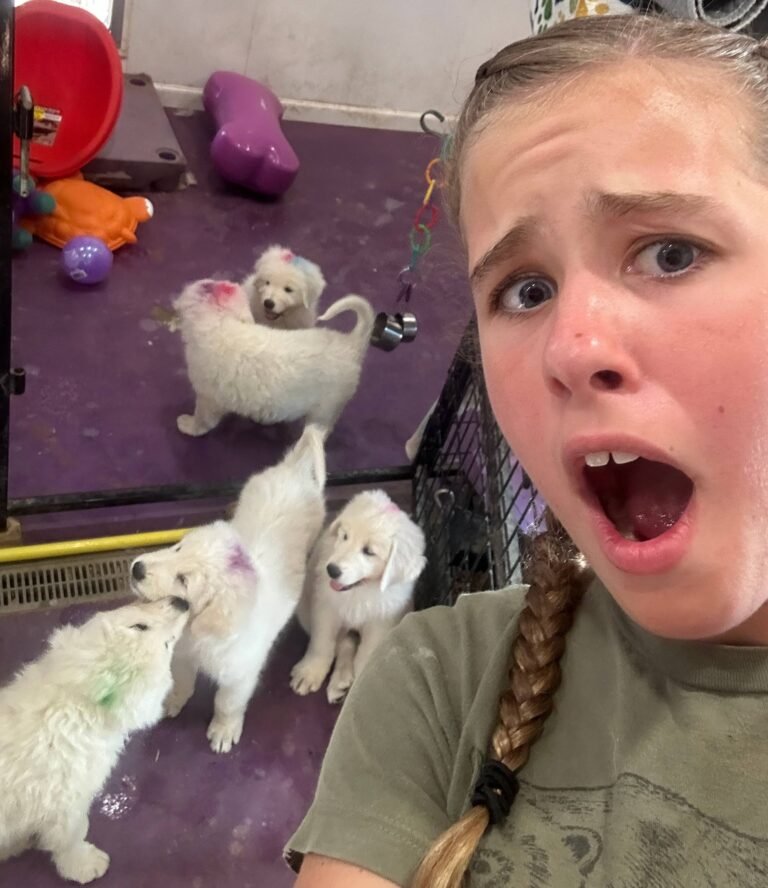
I got a video from a new client recently. She'd just brought home two puppies, she was over the moon about them — and then she started noticing things.
Scabs.
Bumps.
Irritated patches under the fur.
And suddenly, she was worried something was wrong.
She was concerned, and honestly? That's a completely reasonable response when you're new to this.
But here’s what I told her—and what every LGD owner needs to understand:
Your livestock guardian dog is not a house dog.
And their skin is going to reflect that.
That's not a problem — it's reality.
Understanding what's normal for a dog who lives outside 24 hours a day in a farm environment is one of the most important things you can do to keep yourself out of a panic spiral and keep your dog healthy.
Quick Answer: Are Lumps & Scabs Normal on LGDs?
Yes—most lumps, bumps, and scabs on livestock guardian dogs are completely normal.
They usually come from play, the environment, insects, or minor irritation.
👉 The key is knowing the difference between normal wear-and-tear and something that needs attention.
Why Your LGD's Skin Looks Different Than You Expect
If you've had dogs before, there's a good chance they were companion dogs who spent most of their time inside. House dogs stay cleaner by default. They're not out in the weeds, they're not playing rough with a whole litter of siblings, and they're usually bathed on a fairly regular schedule.
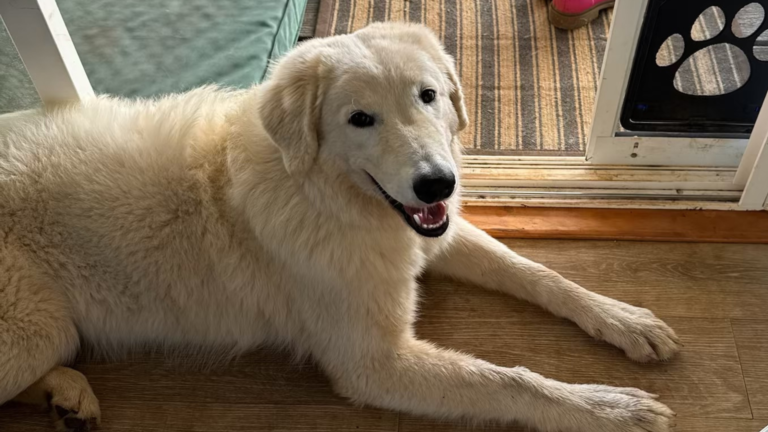
Even the difference between a working LGD and a LGD that's a fulltime pet is profound. I have one Maremma, Titus, who lives inside my house fulltime as a companion. His coat and skin look way different than my working Maremmas who live outside fulltime - cleaner, whiter and without the evidence of wear and tear the outside Maremmas have. Compare indoor dogs to working livestock guardian dogs who:
- Live outside in a pasture or barnyard around the clock
- Roll in hay, digs in dirt, and naps in brushy weedy spots regularly
- Wrestle, chase, and rough-house with other dogs daily
- Are exposed to seasonal allergens, pollen, insects, and plants year-round
- May have foxtails, grass seeds, and all manner of organic debris working into their coat
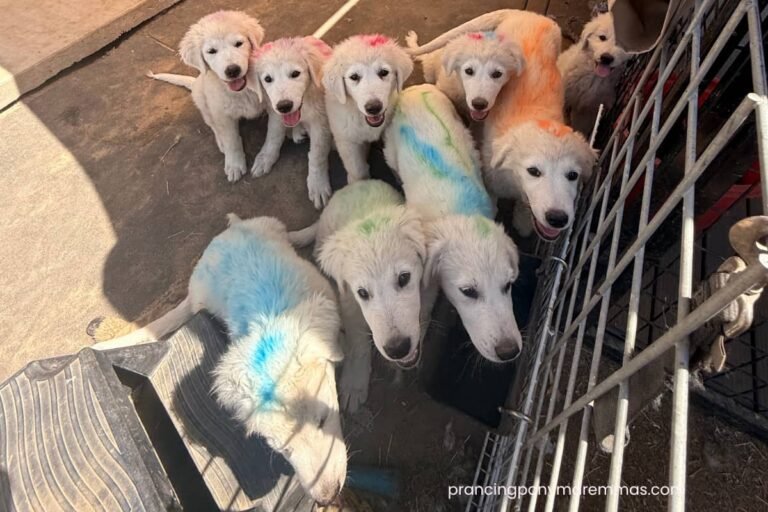
Most of my puppies stay here until at least 12 weeks, and some are considerably older than that before they go home. They have been living this life since birth — playing hard, piling together, biting and wrestling the way puppies do. A little scab from a nip during a play session is not a crisis. Neither is a spot of irritated skin from rolling in something.
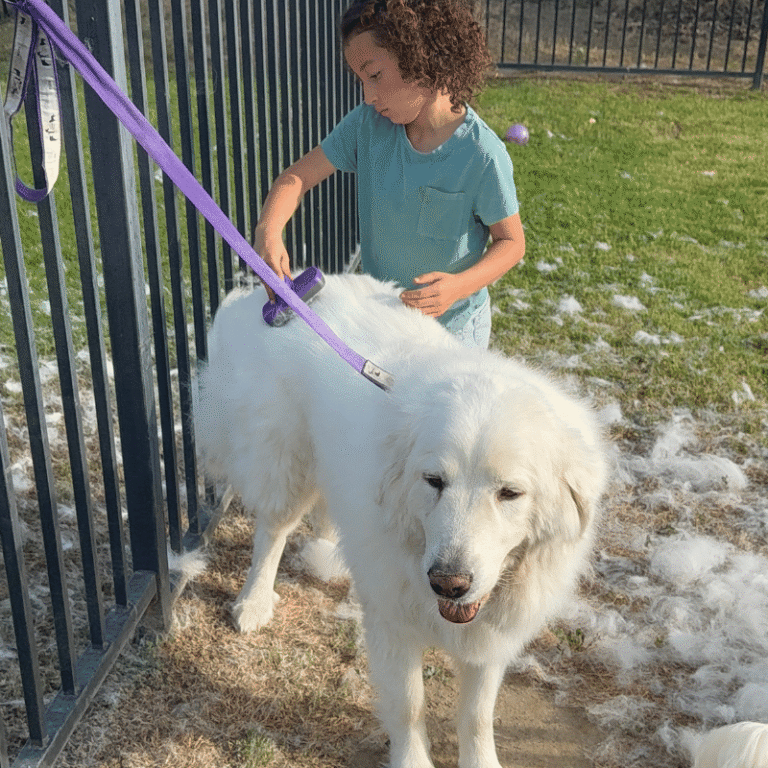
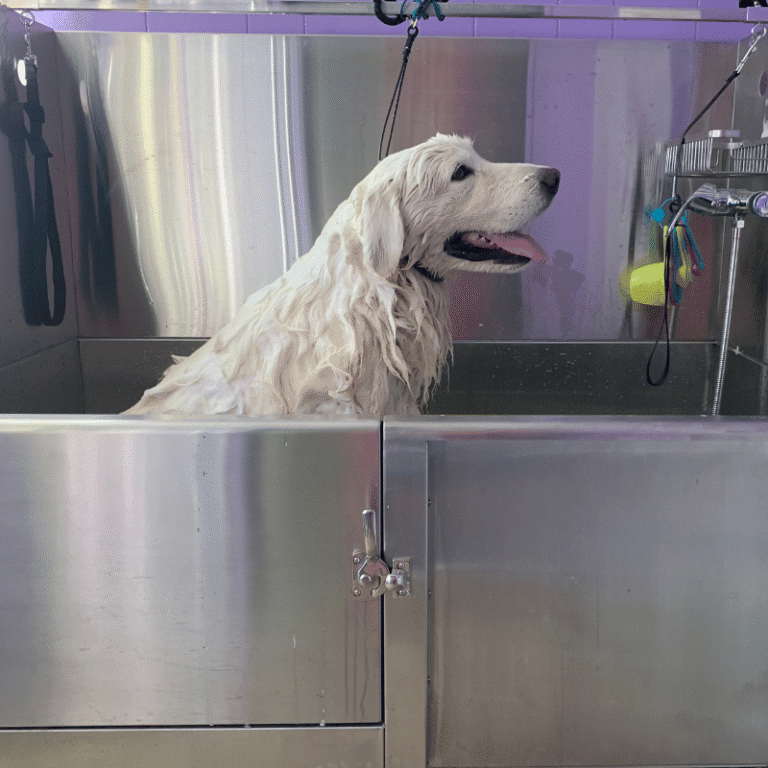
When I bathe my dogs, I am genuinely amazed every single time at the amount of material that comes out of their coats — hay, dirt, grass, weed seeds. I rinse and rinse and it keeps coming. Blow drying gets out even more. This is what it looks like to have a dog who is actually doing its job in the environment it was bred for.
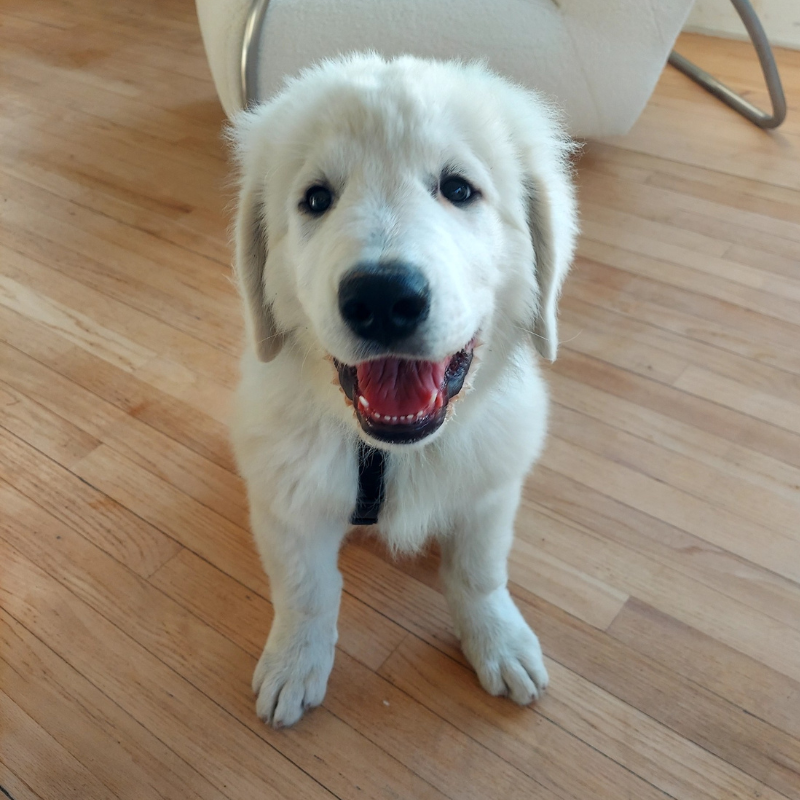
This is what a companion Maremma's coat looks like.
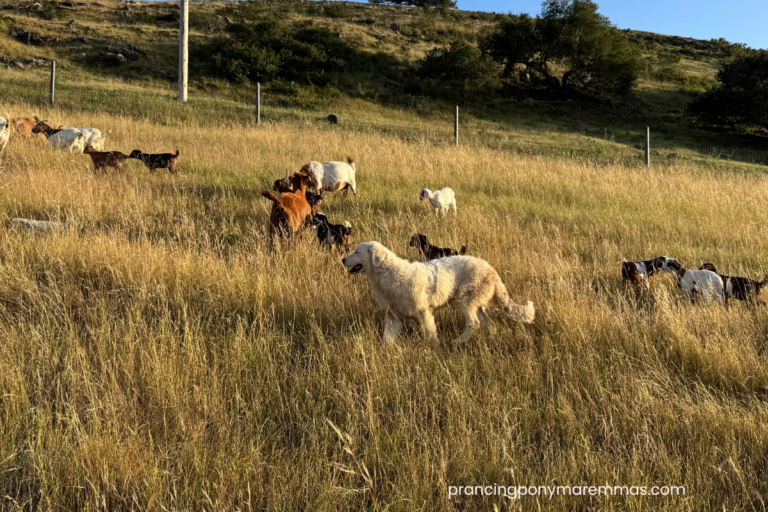
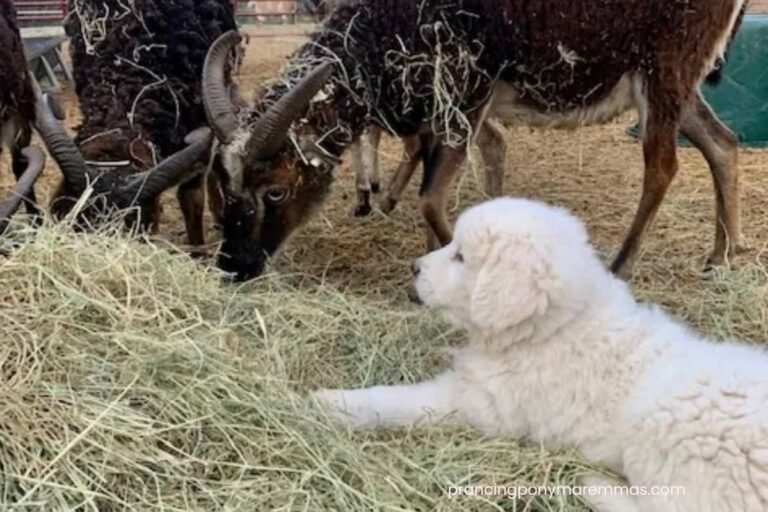
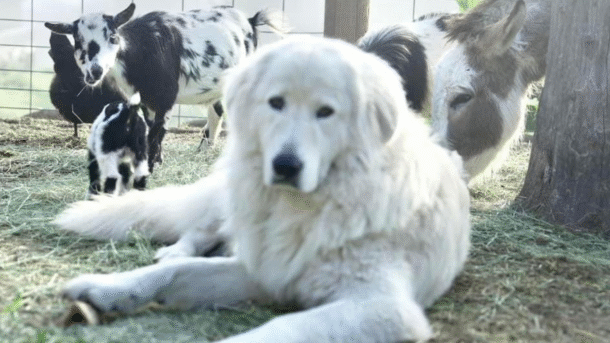
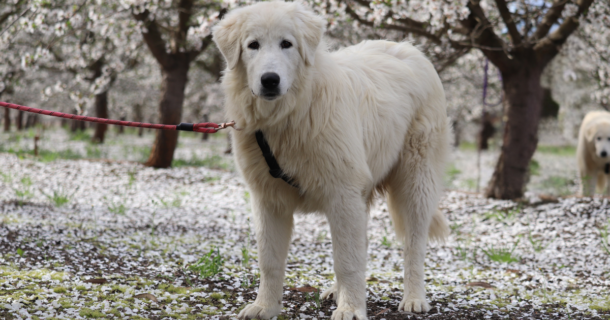
This is what working Maremmas' coats look like.
What’s Normal vs. What’s Not
Normal:
- Small scabs from play
- Occasional bumps under the coat
- Mild seasonal irritation
- Dirt + debris buildup
Not Normal:
- Rapid swelling
- Painful, hot lumps
- Open or oozing wounds
- Anything worsening over time
Common Skin Issues in LGDs (And What They Usually Are)
Here are the most likely culprits when you find something on your LGD's skin:
Play bite scabs. Puppies bite each other. A lot. It's normal developmental behavior, and while they're mostly learning bite inhibition, sometimes they actually connect. These tiny scabs are usually no big deal and heal on their own.
Hot spots. These are moist, red, irritated patches that can appear quickly, especially in summer. True hot spots tend to look raw and weepy rather than dry and scabby. If the area is already scabbed over, the active phase may have passed. Chlorhexidine solution (diluted, in a spray bottle) is my go-to treatment. I buy it by the gallon.
Flea reaction. Flea allergies cause itching, scratching, and secondary skin irritation. I'll be honest with you — I am not aggressive about flea prevention because many of those products contain chemicals I'm not comfortable using on breeding dogs. I keep an eye on my dogs and use topical treatments or flea collars (like the Seresto collar) when needed, but I don't routinely give oral flea medications or products that combine flea prevention with heartworm and intestinal parasite control all in one. That's a personal choice that comes from years of observation and a general belief that less is more when it comes to what goes in and on my dogs. I always encourage clients to talk to their vet and make the choice that's right for their situation.
Seasonal allergies and environmental irritants. Pollen, dust, grasses, mold — all of these can cause skin reactions in dogs just like they do in people. Spring and fall tend to be peak seasons. You may see itching, bumps, or irritated skin that comes and goes with the seasons.
Foxtails and plant material. If you live in an area with foxtails (and if you're in California like us, you almost certainly do), these nasty little seed heads can embed in skin, ears, paws, and even internal tissue. Any swollen, festering spot with no obvious cause deserves a closer look for a foxtail. I've written a dedicated post on foxtails — I'll link it below — because they deserve their own full conversation. [[Internal link: foxtail post]]
Topical flea treatment residue. This one surprises people. When I apply a topical flea treatment before a puppy goes home, it leaves an oily spot along the spine that attracts dirt. The puppy can end up with these greasy, dirty-looking patches that look alarming and are actually just... flea product plus dirt. If your dog came home recently treated, this is very likely what you're seeing along the back.
What I Keep On Hand for Skin Issues
I rarely — and I mean rarely — take a dog to the vet for a skin issue. That's not because I dismiss their health; it's because most of what shows up on a farm dog can be managed with the right supplies and a calm eye. Here's what I keep in my kit:
- Chlorhexidine solution (buy it by the gallon and dilute it — it treats hot spots, scrapes, irritated skin, ears, you name it)
- Topical antimicrobial spray for bumps and minor skin irritation
- Dog-safe antiseptic shampoo for when I need to clean up a trouble area
- Clippers or scissors to spot-shave a small area when I need to get down to the skin to see what I'm dealing with — that double coat hides a lot


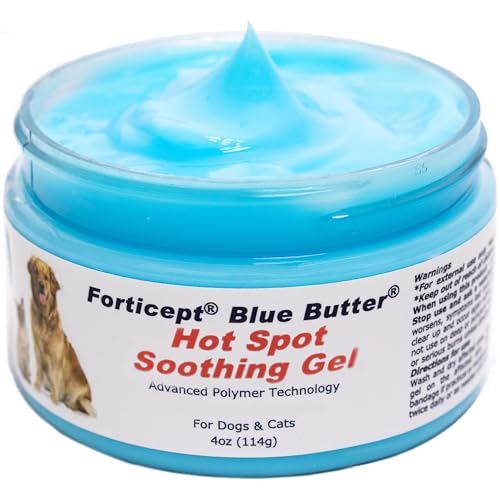
If you're not sure what you're looking at, the best thing you can do is clip away the fur over the spot so you can actually see the skin. It's very hard to assess anything through a Maremma's coat.
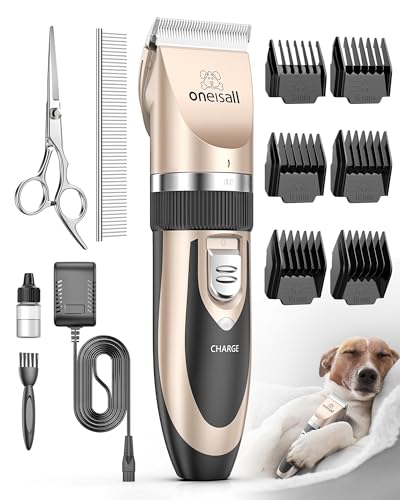
Low Noise, Dog Grooming Kit with Rechargeable, Dog Shaver Cordless Electric Quiet Hair Clipper Set for Dog Cats Pets Gold
When You Actually Should Call the Vet
I am not telling you to never see a vet. That's not the message here. There are absolutely situations that warrant professional attention:
- An abscess (swollen, hot, painful pocket under the skin) — this can mean an embedded foxtail or a bite wound that got infected
- A spot that isn't healing after 1–2 weeks of home care
- Signs of a systemic reaction (hives all over, facial swelling, lethargy)
- Any skin issue that's spreading rapidly or getting worse
For everything else, take a breath. Look at the spot. Keep it clean. Give it a few days. You're probably going to be fine.
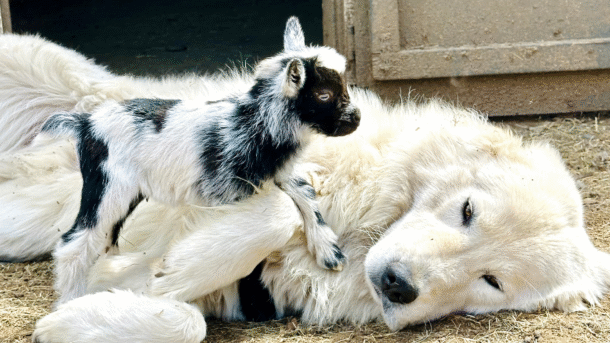
Setting Realistic Expectations for Your New LGD
Here's the thing I really want first-time livestock guardian dog owners to understand: the vast majority of the people I work with have never owned a dog that lived outside full-time before. Coming from a house dog background — or no dog background at all — the farm environment can feel alarming when your dog doesn't look the way you expect.
Your Maremma Sheepdog is not going to have that glossy, perfect coat you see on a show dog or a pampered house pet. They're going to have hay in their fur. They're going to roll in things. They're going to wrestle and come in with a scab now and then. They're doing exactly what they were designed to do, in exactly the environment they were designed for.
That's not a dog in poor health. That's a working dog doing its job.
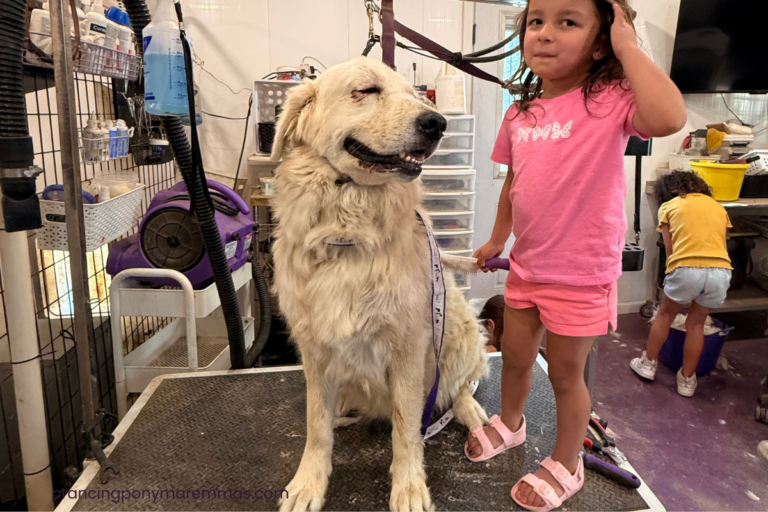
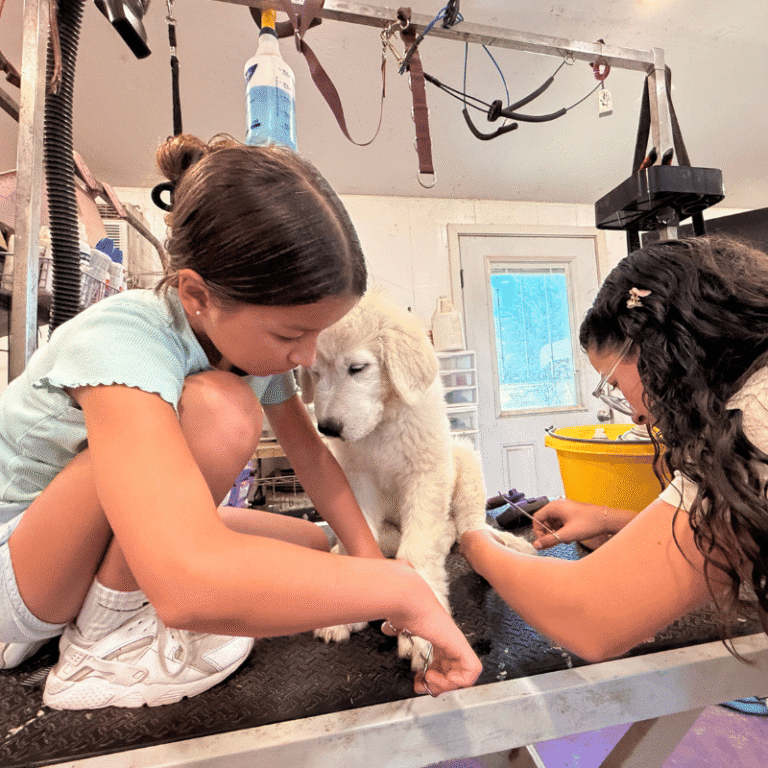
I groom all my dogs — I have two full grooming setups on the property and I start puppies young so they accept handling — but even after a bath and a blow dry, those dogs walk right back out to the pasture and are covered in hay within the hour. That's the life, and it's a good one.
If you're ever in doubt about something you're seeing on your dog, reach out. That's what lifetime breeder support is for. [[Internal link: contact page or breeder support post]]
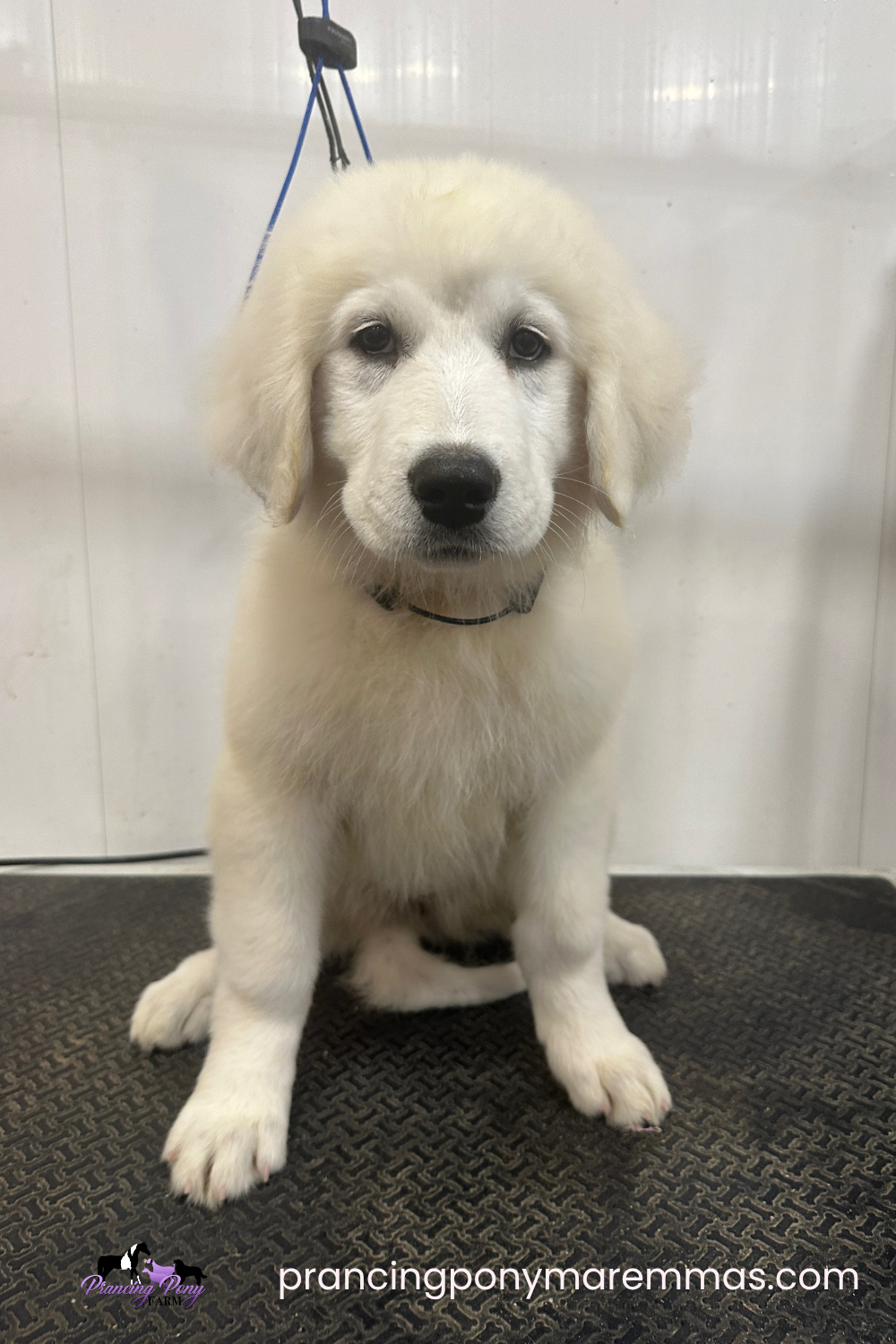
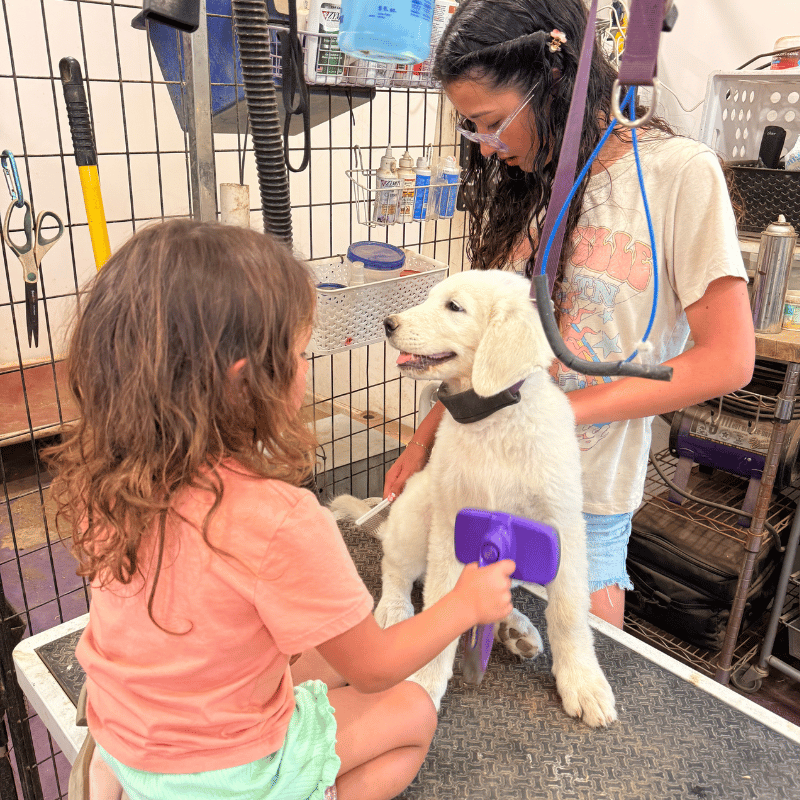
A freshly groomed Maremma puppy. They don't stay this clean for long!
Key Takeaways:
- LGDs living outside 24/7 will have skin that reflects that environment — it's expected
- Most lumps, bumps, and scabs have a simple explanation: play, fleas, allergens, or plant material
- Chlorhexidine solution is your best friend for minor skin issues
- Shave away the fur to see what's actually there before panicking
- Know the signs that actually warrant a vet visit
👉 Need help figuring out what you’re seeing?
If you have one of my dogs, reach out—I’m happy to help you sort through what’s normal and what’s not.
👉 If you don’t, I offer paid training consults for LGD owners who need guidance: Book a Training Consultation

Transform grooming from a stressful ordeal into a positive experience for both you and your dog. This science-based guide teaches cooperative care techniques that help dogs willingly participate in their grooming rather than simply endure it. Perfect for professional groomers, dog owners, and breeders who want to build trust while maintaining safety. Especially valuable for large breeds and livestock guardian dogs who need regular handling. Based on modern animal behavior principles, not outdated dominance methods.
FAQs
Q: My LGD puppy has scabs all over — is something seriously wrong?
A: Usually, no. Small scabs are very often play bite marks from rough-housing with littermates or other dogs. If they're healing and not multiplying rapidly, give them a few days and keep an eye on things.
Q: What does a hot spot look like on a dog?
A: Active hot spots are typically red, moist, and raw-looking — sometimes with a weepy discharge. They can appear suddenly and spread quickly. Once healed, they leave a dry, crusty scab. Chlorhexidine spray is a good, inexpensive first-line treatment. There are also OTC sprays specifically for hot spots that you can keep on hand.
Q: Should I bathe my LGD often to keep their skin healthy?
A: No — an occasional bath is ok, but over-bathing strips the natural oils from their coat that actually protect their skin. A good brushing is more valuable than frequent baths for most LGDs.
Q: How do I tell if my dog has a foxtail embedded in its skin?
A: Look for a small, red, swollen spot (abscess) that doesn't heal or seems to have a tiny hole in the center. These don't resolve on their own and may need veterinary removal.
Q: Can I treat minor skin issues on my LGD at home?
A: For most minor irritations, scabs, and hot spots, yes. Diluted chlorhexidine solution and a good topical spray are staples. When in doubt, clip the fur away from the area first so you can actually see what you're dealing with. More serious issues, such as foxtail abscesses, may require veterinary treatment.
Q: Why does my LGD always seem to have something on their skin?
A: Because they live in a real environment—hay, weeds, insects, and other animals. A perfectly clean dog is usually not a working LGD.

Have questions or Experiences to Share?
Leave a comment below or reach out directly - I love hearing from fellow farmers and LGD owners!