Last Updated on June 6, 2026 by Kim Crawmer, KPA CTP, LFDM
A comprehensive guide for LGD owners dealing with seasonal ear infections
You're Not Alone in This Battle
If you've noticed your livestock guardian dog struggling with ear infections during the summer months while being relatively problem-free in winter, you're experiencing what I call "summer ear" – and you're definitely not alone. As a Maremma Sheepdog breeder in central California with over a decade of experience managing working dogs in challenging agricultural environments, I want you to know that summer ear infections are extremely common and are not a sign of poor breeding, inadequate care, or owner failure.
This seasonal pattern affects Maremma Sheepdogs and other LGDs across the country, and understanding why it happens – along with effective management strategies – can save you both money and worry while keeping your livestock guardian dogs comfortable and working effectively.
What Is "Summer Ear" and Why Does It Happen?
Summer ear refers to the increased frequency of external ear infections (otitis externa) that many dogs experience during warmer months, particularly those caused by environmental allergies and secondary bacterial or yeast infections. Pollen allergies are the most common form of seasonal allergies in dogs, caused by exposure to pollen from blooming plants.
For livestock guardian dogs, this seasonal challenge is intensified by several unique factors:
Environmental Allergen Overload Common allergens include tree pollens (cedar, ash, oak), grass pollens, weed pollens (ragweed), molds, mildew, and dust. In agricultural areas, LGDs face an exceptional concentration of these allergens. Living 24/7 in farm environments means constant exposure to:
- Pollen from orchards, farm fields, and native vegetation
- Agricultural dust carrying concentrated allergens
- Chemical residues from pesticides and herbicides that can increase sensitivity
- Mold spores from irrigation, water troughs, and organic matter
The Perfect Storm: Dust + Water + Heat When the normal, healthy ear canal is compromised, bacteria and yeast can overgrow and cause an infection. Our LGDs face a unique combination of challenges:
- Dust as an allergen carrier: In many farming areas, especially during dry seasons, dust becomes a vehicle for pollen, mold spores, and chemical residues. This dust settles in dogs' ears, creating irritation and carrying allergens deep into the ear canal.
- Water exposure: Many LGDs love to cool off in water troughs, ponds, or any available water source during hot weather. Water that becomes trapped in the ear canal can predispose your dog to infections.
- Heat and humidity: Even in dry climates, the combination of heat and moisture from water play creates an ideal environment for bacterial and yeast overgrowth.
The Agricultural Environment Factor
Living in heavily agricultural areas presents unique challenges that many companion dog owners don't face. Homeowners apply an estimated 78 million pounds of insecticide, herbicide, and fungicide each year, with agricultural use being even more intensive. When you add the pollen loads from commercial crops and orchards, plus the dust generated by farming operations, you create an environmental "perfect storm" for allergic reactions.
Why Your Horses and Humans Are Affected Too If you've noticed that people and horses in your area also struggle with allergies and respiratory issues during summer months, you're seeing the same environmental factors at work. Environmental allergies affect various species similarly, with the immune system overreacting to normally harmless substances like pollen and dust. This confirms that the problem isn't with your dogs – it's with the challenging environment they're working in.
Individual Variation: Why Some Dogs Struggle More Than Others
One of the most frustrating aspects of summer ear is that it doesn't affect all dogs equally. Dogs with a genetic predisposition for allergies have immune systems that overreact to allergens. Just like people, some dogs are simply more sensitive to environmental allergens than others.
Factors that influence individual susceptibility include:
- Genetic predisposition to allergies
- Overall immune system sensitivity
- Individual water-seeking behavior (some Maremmas love water, others avoid it)
- Ear conformation and hair growth patterns
- Age and previous exposure history
This is why you might have one dog who never gets ear infections while another battles them every summer – it's not about care quality, it's about individual biology.
Professional vs. Home Treatment: Understanding Your Options
Veterinary Treatment
Professional veterinary treatment typically involves:
- Thorough ear examination to rule out foreign objects or ruptured eardrums
- Cytology testing to identify specific bacteria, yeast, or mites
- Prescription medications combining antibiotics, antifungals, and anti-inflammatories
- One-time application treatments like Otomax (containing clotrimazole, gentamicin, and betamethasone) or Mometamax
Advantages: Quick resolution, professional diagnosis, single application Disadvantages: Higher cost ($100-300+ per visit), requires scheduling, may still recur
Home Treatment Options
Zymox Enzyme-Based Products
ZYMOX Enzymatic Ear Solution is an over-the-counter treatment that uses a patented LP3 enzyme system effective against bacteria, yeast, and fungal infections. Available in formulations with 0.5% hydrocortisone for inflammation or hydrocortisone-free for sensitive dogs.
Advantages:
- Many owners report it saves hundreds in vet bills and works as well as prescription treatments
- No pre-cleaning required
- Safe for long-term use
- Effective against resistant organisms
Disadvantages:
- More expensive than other OTC options ($25-35 per bottle)
- Requires 7-14 days of daily application
- Small bottle size
Clotrimazole (Human Antifungal)
Clotrimazole is effective against common ear fungi like Malassezia and is the same active ingredient used in many veterinary ear medications. Human athlete's foot creams containing 1% clotrimazole can be used as an economical alternative.
Advantages:
- Extremely cost-effective (5-pack of 1oz tubes for under $7)
- Same active ingredient as expensive vet treatments
- Readily available
Considerations:
- Should be used with caution and proper application technique
- Works best for yeast infections specifically
- May need to be combined with ear cleaning
| Product Image | Product Name / Our Rating / Price | Primary Button |
|---|---|---|
| ||
| ||



Effective Treatment Protocol
Based on my experience managing dozens of LGDs in challenging agricultural conditions, here's what works:
Step 1: Proper Ear Cleaning
DIY Ear Wipe System:
- Get a small plastic container with lid
- Place 4x4 inch gauze pads in container
- Pour quality ear wash over pads until saturated
- Use these pre-moistened wipes to gently clean outer ear canal
Why this works better than commercial wipes: Larger surface area for big dog ears, more economical, and you control the solution strength.
Ear wash options:
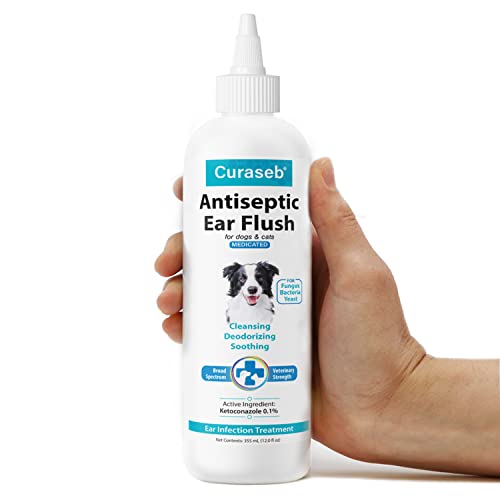
- Commercial veterinary ear washes (Curaseb, etc)
- Natural options with minimal ingredients
- Avoid alcohol-based solutions if ears are inflamed
Step 2: Medication Application
For active infections:
- Apply chosen medication (Zymox, clotrimazole, or prescribed treatment)
- Gently massage ear base to distribute
- Allow dog to shake head to remove excess
- Apply daily for recommended duration (7-14 days)
Application tips:
- Clean ears 24 hours before starting Zymox (don't clean during treatment)
- For clotrimazole: apply small amount on finger or cotton swab, don't overdo it
- Always complete full treatment course even if symptoms improve
Step 3: Maintenance Prevention
During high-risk periods (dust storms, peak pollen season, extreme heat):
- Clean ears 2-3 times per week
- Monitor for early signs (head shaking, odor, discharge)
- Consider preventive treatments during worst environmental conditions
Important: Don't over-clean – this can cause irritation and worsen the problem.
When to See the Veterinarian
While many summer ear cases can be managed at home, professional care is needed when:
- First occurrence: Rule out foreign objects, mites, or other underlying issues
- Severe symptoms: Excessive pain, balance issues, or neurological signs
- Rapid worsening: Symptoms getting worse despite treatment
- Chronic/recurring cases: May need allergy testing or stronger treatments
- Multiple dogs affected: Could indicate environmental management changes needed
For up to 70% of dogs with chronic otitis externa, the driving factor is allergy, which may require long-term management strategies.
Environmental Management Strategies
Immediate Environment
- Provide alternative water sources: Separate drinking water from "swimming" water
- Improve drainage: Reduce standing water areas where possible
- Create shaded rest areas: Help dogs avoid peak heat and pollen exposure
- Consider location of water sources: Place away from dustiest areas
Seasonal Adjustments
- Monitor pollen forecasts: Limit exposure during peak pollen days when possible
- Time activities: Do grooming/health checks during cooler morning or evening hours
- Post-water rinses: Quick hose-down of head/ears after water play can remove allergens
Property-Wide Considerations
If possible:
- Reduce dust: Gravel around water areas, strategic placement of shade structures
- Air circulation: Fans in barns or shelters can reduce moisture and allergen concentration
- Vegetation management: Remove particularly problematic allergen sources near primary dog areas
The Bigger Picture: This Isn't About You
It's crucial to understand that summer ear infections in agricultural environments are a management challenge, not a care failure. Many dogs with chronic or recurrent ear infections have allergies, which are a component of ear infections in as many as 43% of cases.
When you're dealing with:
- Intensive agricultural operations creating high pollen loads
- Chemical applications affecting immune sensitivity
- Dust storms carrying concentrated allergens
- Limited control over neighboring land use
...you're managing working dogs in one of the most challenging environments possible for allergic sensitivities.
Cost-Effective Management Approach
Budget-Friendly Protocol:
- Invest in quality ear wash ($15-25) – lasts months with DIY wipe system
- Stock clotrimazole tubes ($7 for 5-pack) – economical backup treatment
- Keep one bottle of Zymox ($33-35) – for stubborn cases that don't respond to clotrimazole
- Schedule annual vet check ($100-150) – establish baseline and get professional guidance
This approach costs under $200 annually vs. $500-1500+ for multiple emergency vet visits.
Long-Term Success Strategies
Building Your Management Routine
- Seasonal preparation: Start monitoring and preventive care before peak allergy season
- Individual dog tracking: Note which dogs are most susceptible and need extra attention
- Environmental awareness: Connect flare-ups with specific conditions (dust storms, chemical applications, peak pollen)
Working with Your Veterinarian
Establish a relationship with a vet who understands working dogs and agricultural environments. Many companion animal vets don't fully appreciate the unique challenges LGDs face. A good farm vet will:
- Help you develop seasonal management protocols
- Provide bulk supplies for multiple dogs
- Support your home management approach
- Recognize when professional intervention is truly needed
Success Stories and Realistic Expectations
After implementing consistent environmental management and appropriate treatments, most LGD owners report:
- Reduced frequency of infections (from weekly battles to occasional flare-ups)
- Faster resolution when infections do occur
- Lower overall costs compared to reactive emergency treatments
- Less stress for both dogs and owners
Important: Complete elimination of summer ear may not be realistic in high-allergen environments, but effective management makes it a minor seasonal inconvenience rather than a major ongoing crisis.
The Bottom Line
Summer ear in livestock guardian dogs is a challenging but manageable condition that reflects the demanding environments these working dogs face. It's not a reflection of your care quality, your dogs' breeding, or your management skills – it's an environmental reality that many LGD owners navigate successfully.
Key takeaways:
- Summer ear infections are extremely common in agricultural environments
- Individual dogs vary greatly in susceptibility due to genetic factors
- Multiple effective treatment options exist, from professional to home care
- Consistent management and environmental awareness are key to success
- Professional support combined with informed home care provides the best outcomes
By understanding the underlying causes, implementing appropriate treatments, and maintaining realistic expectations, you can keep your livestock guardian dogs comfortable and working effectively despite the seasonal challenges of summer ear.
Your dogs are protecting your livestock in one of the most challenging environments possible – a little extra ear care during allergy season is just part of supporting these incredible working animals in their vital job.
For more information about livestock guardian dog care and breeding, visit Prancing Pony Farm. Always consult with your veterinarian before starting any new treatment protocol.
LGD Grooming Series
The Ultimate Guide to Grooming Your Livestock Guardian Dog
Book Review: Grooming Without Stress
LGD Skin Problems: What's Normal for Livestock Guardian Dogs
The Ultimate Guide to Keeping Your LGD and Farm Animals Cool This Summer
Summer Ear in LGDs: Understanding and Managing this Common Seasonal Challenge