Last Updated on August 21, 2026 by Kim Crawmer, KPA CTP, LFDM
What Kind of Shelter Does a Maremma Sheepdog Need?
This is one of the most common questions I get from families preparing to bring home their Maremma. People imagine they need a custom-built dog kennel, a climate-controlled barn, or a fancy doghouse waiting on arrival day.
They don't.
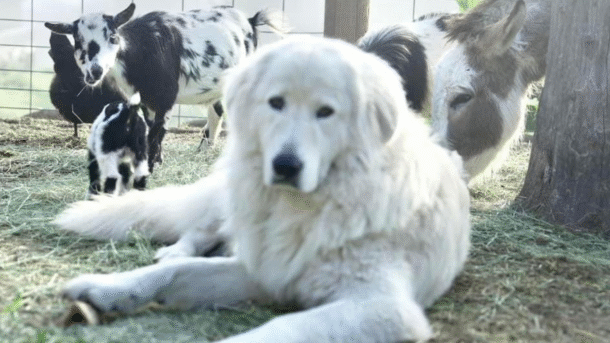
Maremmas are a mountain breed. They were developed in central Italy to live and work outdoors through harsh winters, hot summers, and everything in between. Their thick double coat is their built-in shelter — and their shelter requirements at home are far more practical than most new owners expect.
Here's what you actually need to know, by phase.
While this page focuses on Maremmas, the principles here apply to most LGD breeds — Great Pyrenees, Anatolian Shepherds, Kangals, and other livestock guardian dogs share the same outdoor-bred, cold-hardy heritage.
Phase 1: During the Introduction Period
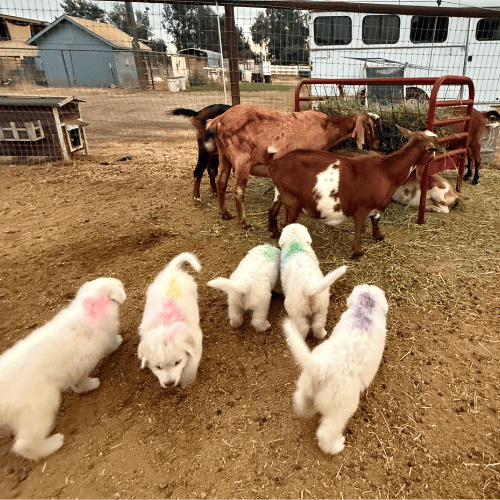
When your Maremma first comes home, they won't go straight into the pasture with your livestock. Integration is a gradual process — your dog and your animals need time to see, smell, and get comfortable with each other from a safe distance before they share the same space.
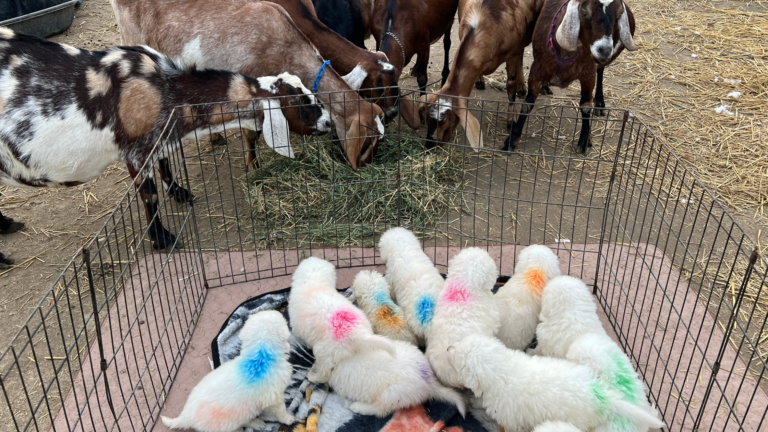
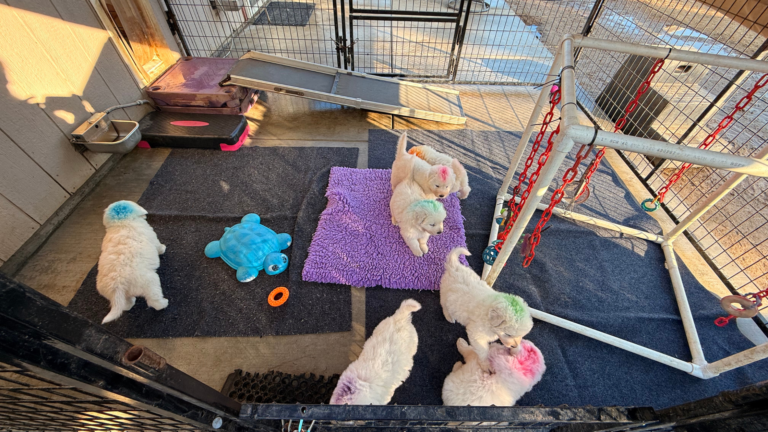
During this phase, your dog will need their own dedicated area, separate from but adjacent to your livestock. Think of it as a "getting to know you" zone.
For this space, you'll need:
Basic overhead coverage. Something that provides shade from the sun and protection from rain. This doesn't need to be elaborate — a simple three-sided structure, a section of covered barn, a lean-to, or a tarp-covered panel pen all work fine. The goal is shade and rain cover, not a luxury suite.
A secure perimeter. Your introduction area should be fenced well enough that your dog stays where they're supposed to be while livestock do the same. This is more about management during the transition than shelter itself.
A clean water source. Large-breed dogs drink a significant amount of water. An automatic waterer or a large, stable bucket works well. Make sure it can't be tipped easily.
That's the foundation. Keep it simple — you can always add to it.

Phase 2: Once Your Maremma Is Integrated with Livestock
Once your dog has bonded with your animals and is working alongside them full-time, their shelter situation becomes even simpler.
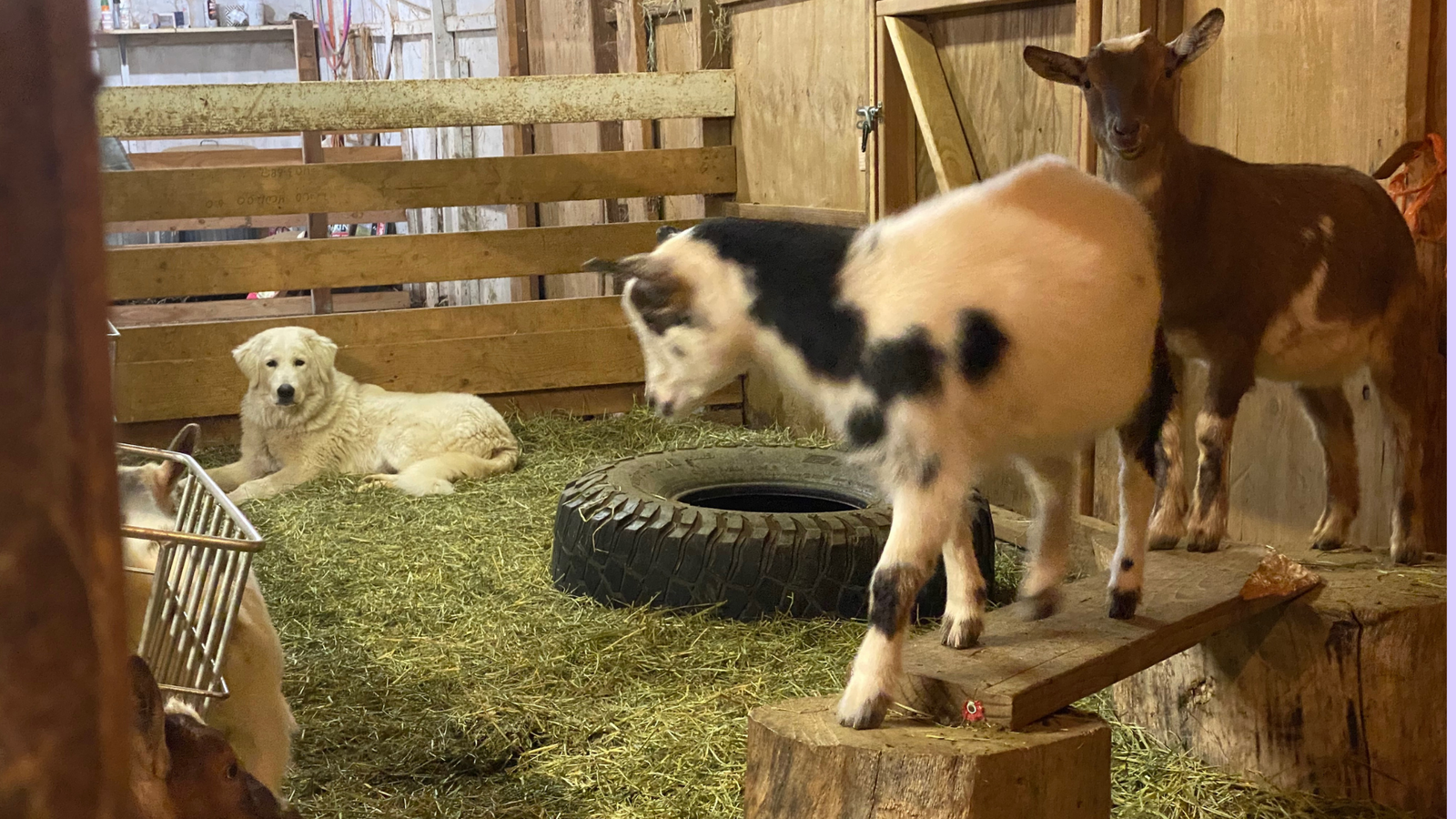
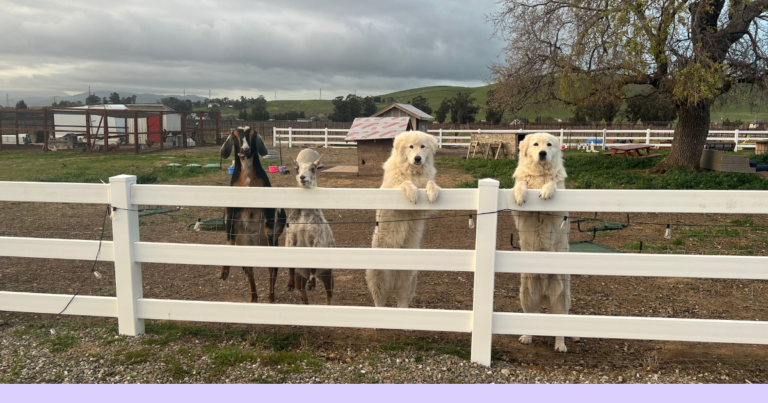
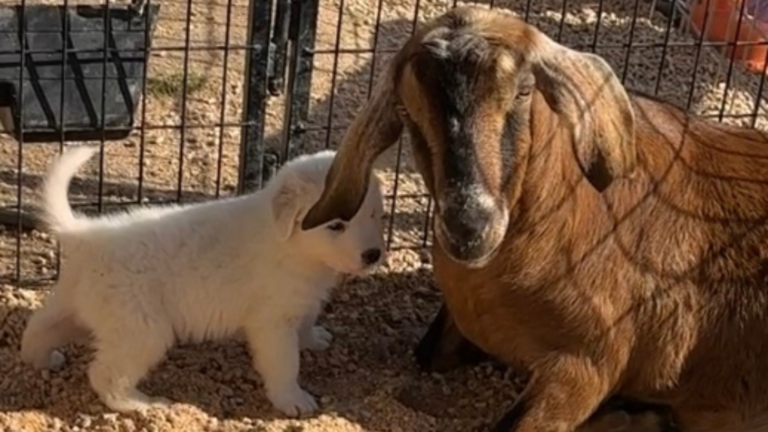
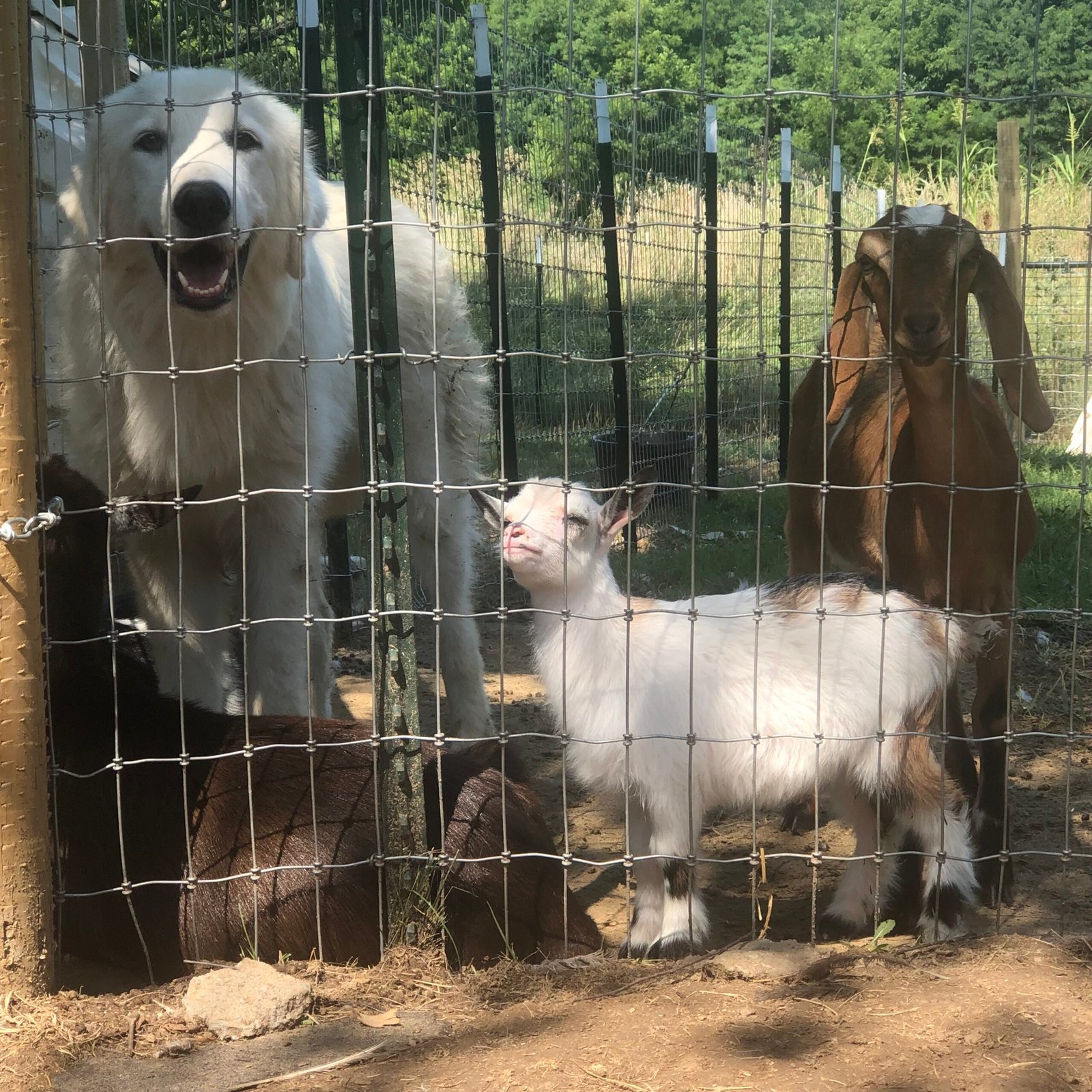
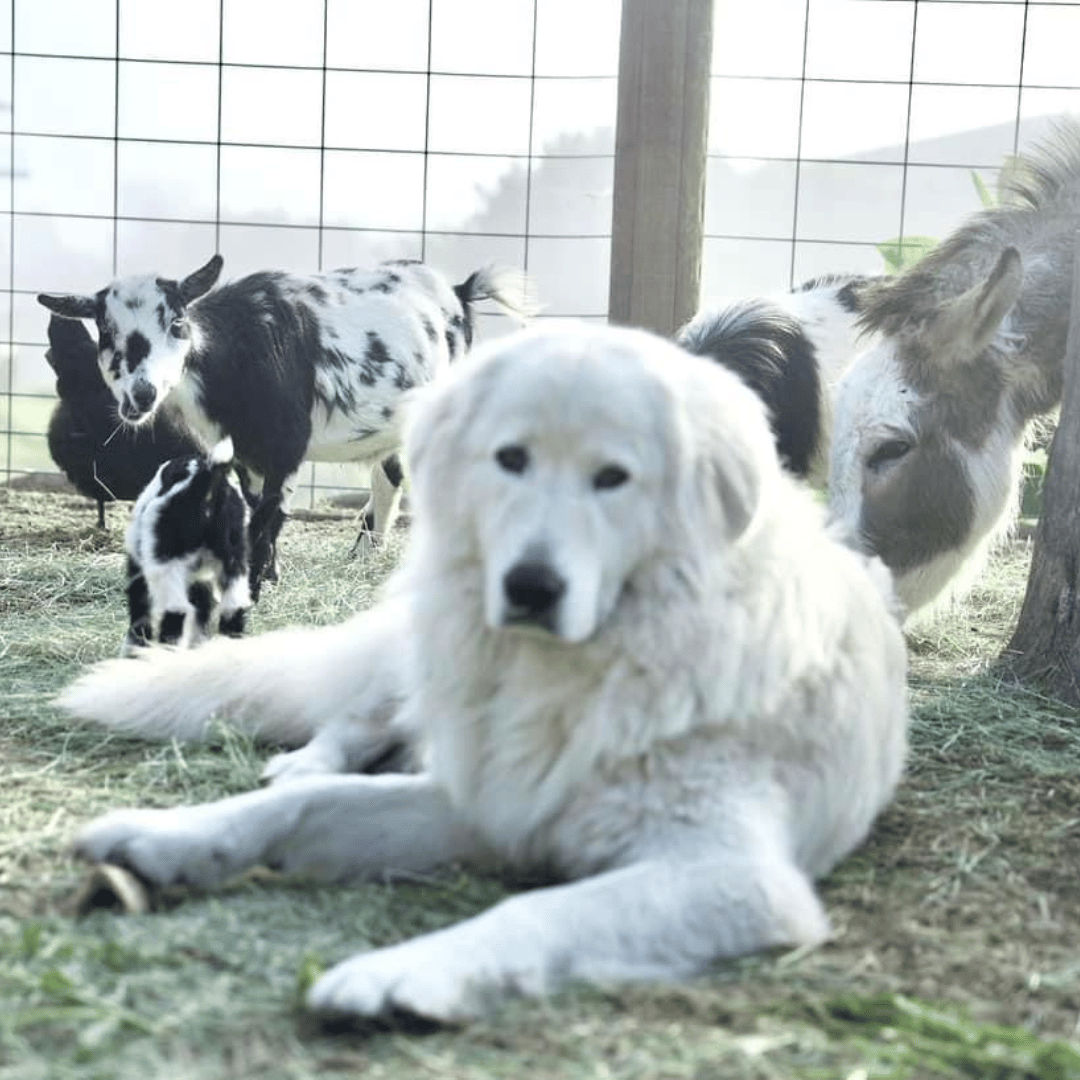
Maremmas naturally position themselves wherever their livestock are. If your goats, sheep, or chickens sleep in a barn or run-in shed, your Maremma will sleep there too — typically near the entrance, where they can monitor their animals and watch for threats.
A dedicated dog area within that shared space is fine but not required. Your Maremma will find their spot. What matters is that the livestock shelter is large enough that the dog isn't crowded out and has room to lie down comfortably near their animals.
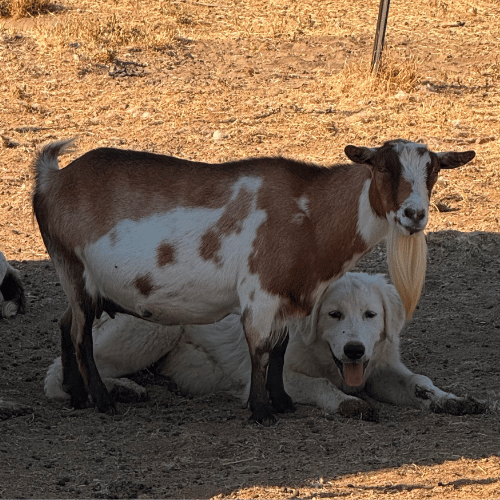
If your livestock are out on pasture without a dedicated shelter, your Maremma will work those same open areas. In mild climates, this is completely appropriate — they're doing what they were bred to do.
What About Doghouses?
Skip it.
Most Maremmas don't use traditional doghouses, and many won't give one a second glance. A doghouse positions the dog away from their animals — and their animals are what they care about most. They'd rather sleep at the corner of the pasture fence than inside a cozy box ten feet away from their livestock.
Doghouses can also become heat traps in warm climates. Save that investment for something your dog will actually use, like a quality elevated bed for their resting area or a better water setup.
A Quick Summary
| Phase | What You Need |
|---|---|
| Introduction period | Shaded, rain-covered area with clean water and secure fencing |
| Integrated with livestock | Shared livestock shelter access; Maremma will self-select their spot |
| Mild climates | Basic shade and rain cover |
| Cold/wet climates | Enclosed or partially enclosed structure with good drainage |
| Hot climates | Shade access and reliable fresh water are your priorities |
| Doghouses | Generally not recommended |
Frequently Asked Questions About LGD Shelter & Housing
Do livestock guardian dogs need a doghouse?
Most LGDs don't use traditional doghouses — and Maremmas in particular tend to ignore them entirely. These dogs position themselves where their livestock are, not in a separate structure away from the animals they're guarding. Save your money and invest it in a solid water setup or a better introduction pen instead.
Can livestock guardian dogs sleep outside in winter?
Yes. LGD breeds were developed in mountain climates specifically to work outdoors year-round. Maremmas, Great Pyrenees, Anatolian Shepherds, and similar breeds have double coats that insulate them in temperatures well below freezing. Many will choose to sleep outside in rain or snow even when covered shelter is available. Cold is rarely the concern — extreme heat and direct sun exposure are harder on these breeds than cold weather.
What shelter does a Great Pyrenees need?
The same basic principles that apply to Maremmas apply to Great Pyrenees and most other LGD breeds: overhead coverage for shade and rain, access to fresh water, and a secure area during the livestock introduction period. Once integrated with their animals, they'll sleep wherever their livestock sleep. A dedicated doghouse is not necessary.
Do Maremmas need to come inside at night?
No. Maremmas are outdoor working dogs and should live with their livestock, not inside the house. Bringing an LGD inside — especially during the bonding and integration period — can disrupt the livestock bond you're trying to build. Their thick double coat keeps them comfortable in all but the most extreme weather conditions.
What's the difference between shelter needs during introduction versus full integration?
During the introduction period, your dog needs their own dedicated space — separate from but adjacent to your livestock — with basic overhead cover and water. This is temporary. Once your dog is fully integrated and working alongside your animals, they'll naturally position themselves with the livestock and share whatever shelter those animals have access to. The setup gets simpler over time, not more complicated.
Does shelter for an LGD need to be heated?
Generally no. Heated spaces are unnecessary for most LGD breeds and can actually work against their natural temperature regulation. What matters more is that the shelter is dry, well-ventilated, and provides protection from wind and direct sun. In very cold climates, an enclosed barn or three-sided structure with good drainage is sufficient.
Can my LGD share the livestock barn?
Yes — and this is often the ideal long-term setup. Once your dog is bonded with and trusted around your animals, sharing a barn or run-in shed is completely appropriate. Many Maremmas settle near the entrance of their livestock's shelter, where they can monitor their animals and watch for anything approaching. A dedicated dog area within a shared barn space is fine but not required.
Still Have Questions About Your Specific Setup?
Every farm is different. If you're not sure whether your current shelter situation is adequate for your specific climate, livestock setup, or property layout, that's exactly the kind of question your Maremma Discovery Call is designed to answer.
Already a reservation holder? Reach out directly — we're here to help you get this right before your dog comes home, not after.
Not yet a reservation holder but exploring whether a Maremma is right for your farm? Start with a free Maremma Discovery Call.
Ready to Protect What You Love?
Join scores of happy families who sleep peacefully knowing their beloved animals and family are protected by reliable Prancing Pony Farm Maremmas.
✅ Health-tested bloodlines ✅ Proven working genetics ✅ Lifetime support included