Last Updated on November 9, 2025 by Kim Crawmer, KPA CTP, LFDM
The difference between a reliable livestock guardian dog and a costly mistake happens in just 84 days.
When livestock owners invest in a livestock guardian dog, they’re not just buying a puppy—they’re investing in peace of mind. The ability to sleep soundly knowing their animals are protected. The confidence that their hard-earned livestock investment won’t be lost to predators.
But here’s what many don’t realize: the success of that investment is largely determined before the puppy ever steps foot on their farm.
📚 LGD Puppy Development Series:
- Part 1: The Critical Window: Why early socialization makes or breaks your LGD
- Part 2: From Helpless to Hero: the Remarkable Journey of LGD Development
- Part 3: The Puppy Parlor Method: How We Raise and Socialize LGD Puppies
- Part 4: Puppy Socialization for LGDs: Why Human Interaction Builds Better LGDs
- Part 5: Livestock Integration for LGD Puppies: From Observation to Interaction
- Part 6: Building Immunity: The LGD Health Protocols That Protect Your Investment
- Part 7: Child Socialization for LGDs: Why it's Crucial for Family Farms
- Part 8: LGD Socialization: Meet Genny, the Maremma Mentor Who Perfects Every Puppy's Education
- Part 9: Beyond the Puppy Parlor: What Your LGD Needs Next
The Science Behind Success
Between 3 and 12 weeks of age, puppies experience what scientists call the critical socialization period—the most important developmental window in their entire lives. During these crucial weeks, a puppy’s brain is rapidly forming neural pathways that will determine their behavior for life.
For companion dogs, missing this window might mean a shy pet who’s afraid of strangers. For livestock guardian dogs, the stakes are infinitely higher.
A poorly socialized LGD doesn’t just fail to protect—they can become the very threat your livestock needs protection from.
This isn’t theoretical—it’s happening right now to livestock owners across the country. Every week, I receive calls and emails from heartbroken farmers dealing with the aftermath of choosing poorly socialized dogs. Some have lost hundreds or even thousands of dollars in livestock. Others are struggling with the emotional trauma of finding their animals injured or killed by the very dogs meant to protect them.
The Research Doesn’t Lie
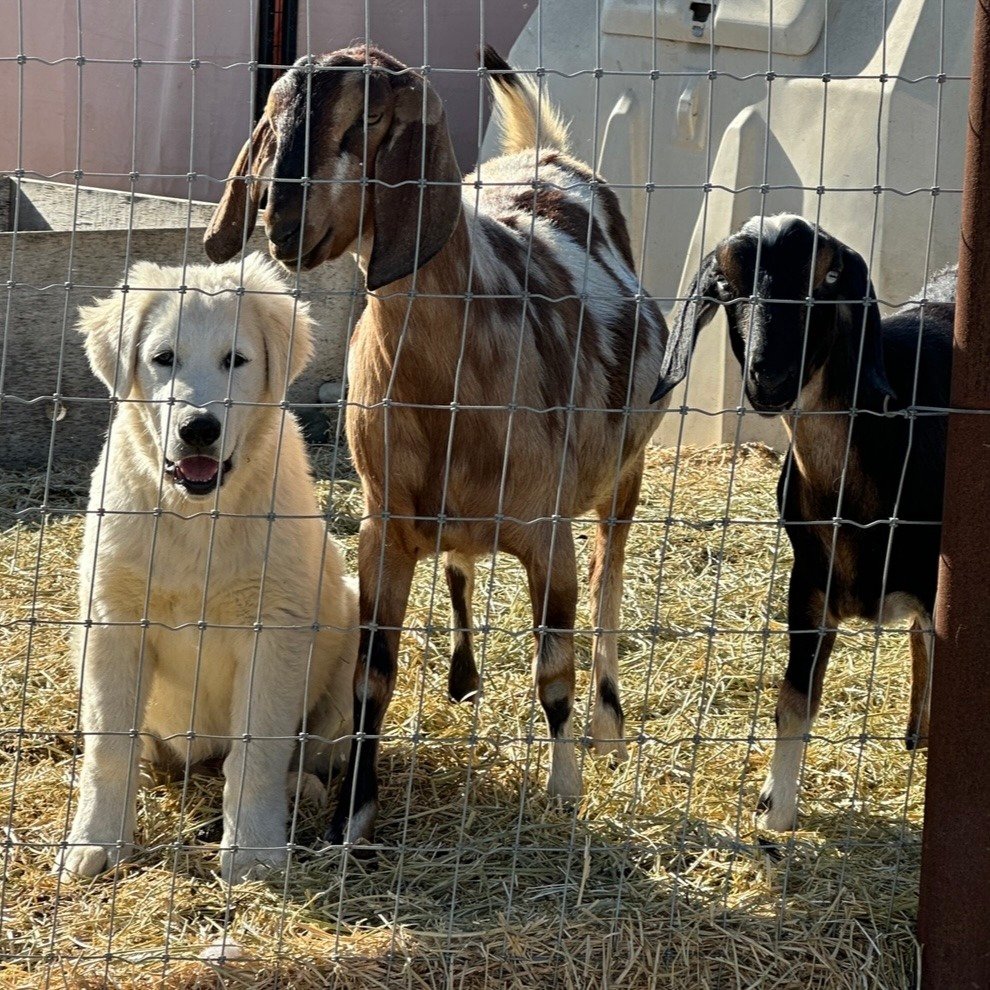
Decades of canine behavioral studies consistently show that experiences during the 3-12 week period create permanent neurological patterns. Puppies who miss proper livestock exposure during this window will:
- Struggle to bond with stock throughout their lives
- Require significantly more training with less reliable results
- Show higher rates of prey drive and inappropriate play behavior
- Experience increased stress and anxiety around livestock
The American Veterinary Society of Animal Behavior emphasizes that proper socialization during this period “cannot be substituted for by training later in life.”
The Devastating Cost of “Later”
We regularly receive calls from heartbroken livestock owners whose “LGD” turned out to be anything but. The stories follow a predictable pattern:
The Problem: They purchased a puppy from a breeder who raised litters in their house, garage, or backyard with minimal or no livestock exposure.
The Promise: “Just get them home and they’ll figure it out—it’s in their genes.”
The Reality: Months or even years later, they’re dealing with a dog who chases, plays rough with, or simply ignores their livestock. Some develop such strong prey drive and chase motor patterns they can never be trusted alone with animals.
The Cost: Beyond the financial loss (purchase price, training costs, veterinary bills from injured or dead stock), there’s the emotional toll of failed expectations and the continued vulnerability of their animals.
Why “Good Genetics” Isn’t Enough
Many breeders will tell you that livestock guardian dog behavior is purely instinctual—that a well-bred puppy will automatically know how to guard stock. This dangerous myth has led to countless failed placements.
The truth is more complex: Livestock guardian dogs need both nature AND nurture.
Think of it like language acquisition. Children raised in bilingual homes effortlessly learn both languages during their critical learning period. Try to teach that same person a second language at 20, and they’ll struggle with an accent and grammatical mistakes for years.
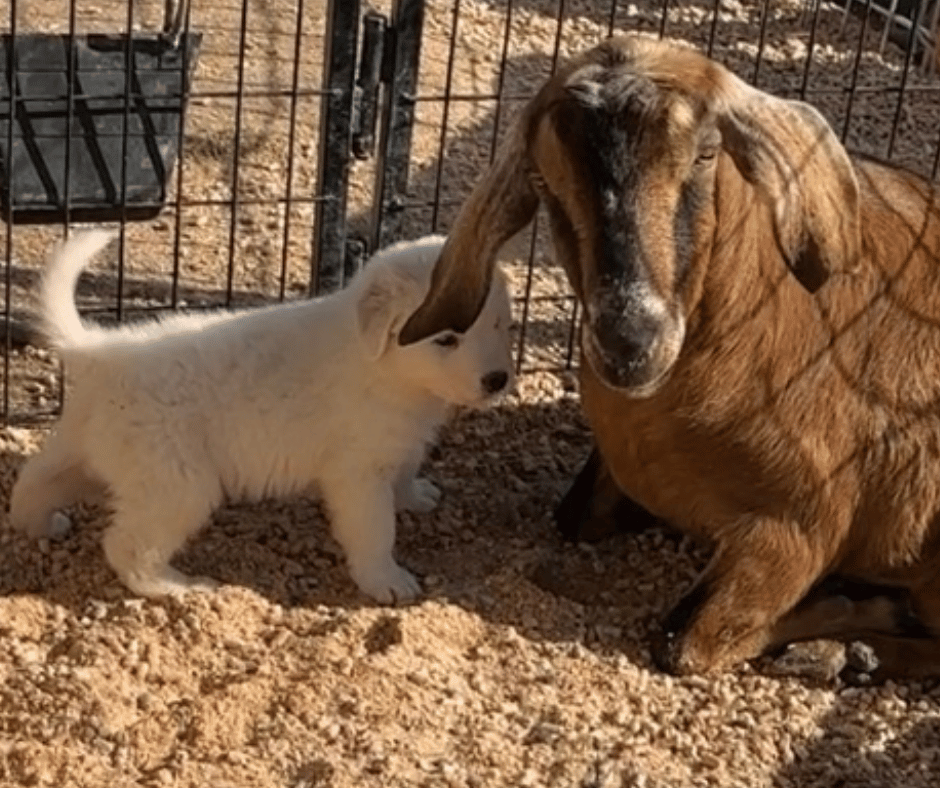
Similarly, LGD puppies who live with livestock during their critical window naturally “speak the language” of their stock. They learn appropriate behavior, develop positive associations, and form the deep bonds that make them willing to defend these animals with their lives.
Puppies raised away from livestock during this crucial period? They’re essentially learning the wrong language—and you’ll spend years trying to teach them something they could have learned effortlessly as puppies.
The Prancing Pony Farm Difference
At Prancing Pony Farm, we understand that producing exceptional livestock guardian dogs requires an intentional, science-based approach to early development.
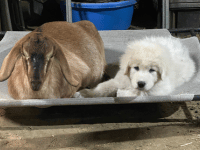
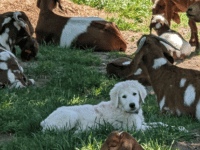
Our puppies don’t just visit livestock—they live with them from birth.
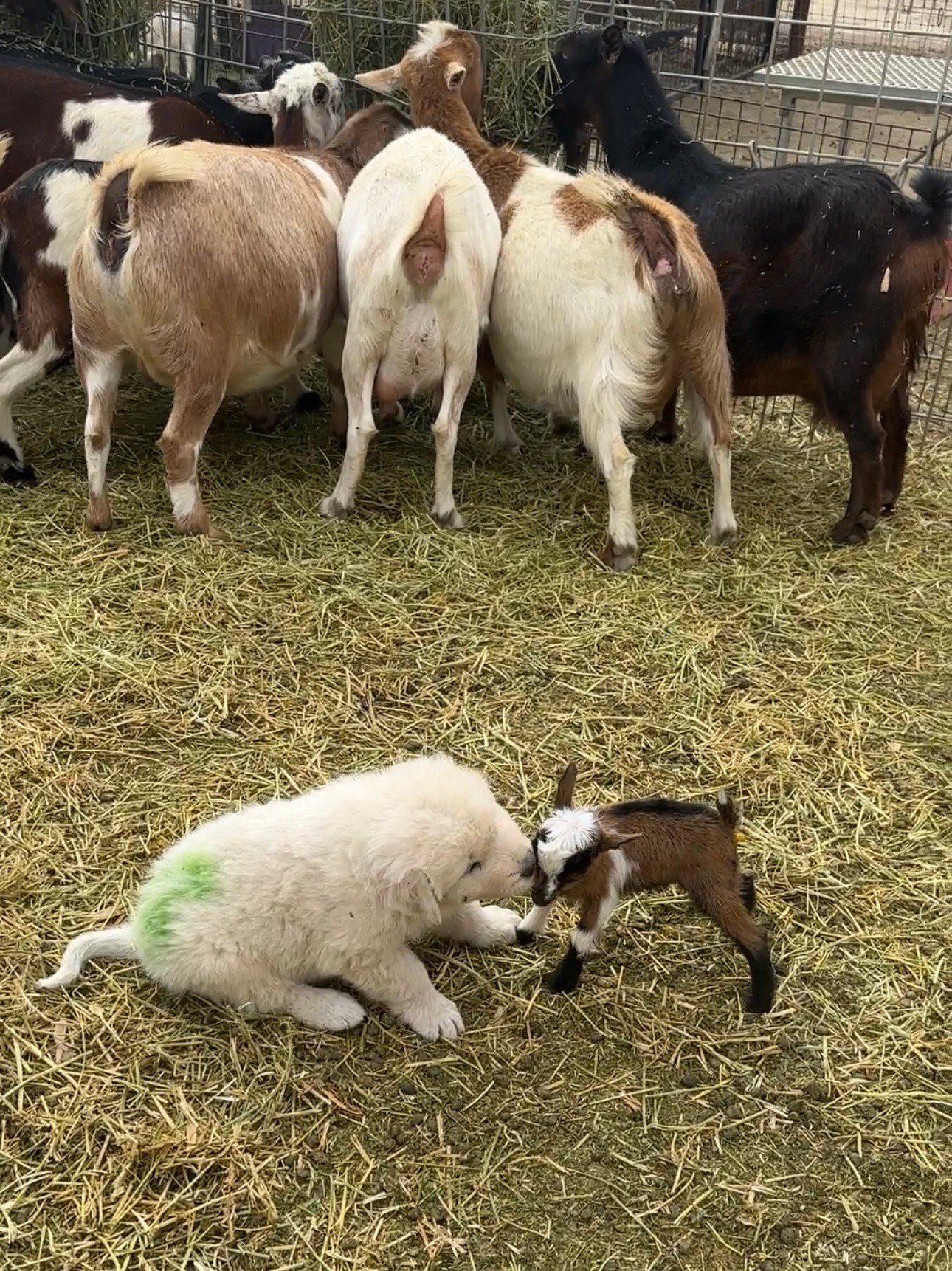
Our specialized Puppy Parlor system ensures our puppies are raised near livestock from birth. They begin safe, supervised integration into the herd starting in week 3, progressing through increasingly independent interaction with carefully selected “puppy trainer” goats who are calm, patient, and perfect for teaching puppies appropriate behavior.
Every day brings new experiences: different textures under their feet, novel objects to investigate, gentle handling exercises, and most importantly, positive interactions with the animals they’re destined to protect as well as with humans of all ages.
What This Means for You
When you welcome a Prancing Pony Farm Maremma to your farm, you’re receiving a young dog who:
- Already understands livestock as family, not prey
- Has been gently mentored by patient adult Maremmas and livestock during the most effective learning period
- Shows calm, confident behavior around various livestock species
- Possesses the neural pathways for lifelong success as a guardian
This isn’t just better breeding—it’s the only type of breeding that produces the dogs you need and your livestock deserve.
The Choice Is Clear
Every livestock owner faces the same decision: invest in a properly socialized guardian dog (which usually isn’t cheap), or gamble with a more “affordable” puppy who missed their critical development window.
The difference isn’t just about money—though the long-term costs of a failed placement (replacement dogs, continued losses, property damage, training expenses) far exceed the investment in a quality puppy.
It’s about peace of mind. It’s about knowing your animals are truly protected. It’s about supporting ethical breeding practices that prioritize the animal’s success over quick profit.
What Happens Next?
Over the coming weeks, we’ll dive deep into exactly how proper socialization works, what to look for in a responsible breeder, and how to set your new livestock guardian dog up for lifelong success.
Because when you understand the science behind exceptional LGDs, you’ll never settle for anything less.
Ready to learn more about how to prepare for success with Livestock Guardian Dogs? Access our Quickstart Guide to LGDs digital course. This free course will help you prepare for your new LGD before bringing it home and guide you through the first weeks of integrating your LGD with your livestock.
Have questions about our currently availabile Maremmas? Schedule a consultation call to discuss your specific needs
Want updates on our latest litters? Join our waiting list for priority access
At Prancing Pony Farm, we don’t just breed Maremma Sheepdogs—we develop the next generation of livestock guardians. Our commitment to science-based socialization and ethical breeding practices ensures that every puppy is prepared for a lifetime of successful guardianship.