Last Updated on October 25, 2025 by Kim Crawmer, KPA CTP, LFDM
Why Parasite Prevention Is Critical for Your Livestock Guardian Dog Puppy
As a livestock owner investing in a livestock guardian dog, you understand that losing animals to predators is devastating. But what many people don’t realize is that parasites pose an equally serious threat to your young LGD’s health and future effectiveness. Poor parasite management in the critical early weeks can derail your entire livestock protection plan.
The harsh reality: Livestock guardian dog puppies face unique parasite challenges that indoor pet puppies simply don’t encounter. Living outdoors with livestock, accessing water troughs, and exploring farm environments exposes them to parasites that can quickly overwhelm their developing immune systems.
The Hidden Costs of Inadequate Parasite Control
When parasite prevention fails, the consequences extend far beyond veterinary bills:
- Compromised development: Heavily parasitized puppies often experience poor weight gain, rough coats, and failure to thrive
- Delayed training timeline: Sick puppies can’t begin proper livestock integration when they should
- Weakened immune systems: Making them vulnerable to other diseases throughout their lives
- Behavioral issues: Malnourished puppies may develop resource guarding or behavioral problems
- Financial losses: Emergency vet visits, extended care periods, and potential puppy loss
The bottom line: A $50 investment in proper parasite prevention can save thousands in veterinary costs and protect your livestock guardian dog investment.
*While parasite prevention is crucial for puppy health, it works hand-in-hand with our evidence-based vaccination schedule. We’ve found that puppies with good parasite control respond better to vaccines and develop stronger immunity against serious diseases like parvo and distemper.”
Understanding the Parasite Threats Your LGD Puppy Faces
How Puppies Get Infected
Livestock guardian dog puppies can acquire parasites through multiple pathways:
- In utero transmission: Some parasites pass directly from mother to puppy through the placenta
- Nursing transmission: Parasites can be transmitted through the mother’s milk
- Environmental exposure: Parasites like giardia can be brought in on the mother’s fur after outdoor exposure
- Direct environmental contact: Once mobile, puppies encounter parasite eggs and cysts in soil, water, and livestock areas
The Most Dangerous Parasites for LGD Puppies
Giardia and Coccidiosis represent the greatest threats to young livestock guardian dogs. These parasites can mimic parvovirus symptoms with:
- Severe, often bloody diarrhea
- Rapid dehydration
- Lethargy and depression
- Loss of appetite
- Quick deterioration that can be fatal
Traditional intestinal worms (roundworms, hookworms, whipworms, tapeworms) are also problematic, causing:
- Poor weight gain despite good appetite
- Pot-bellied appearance
- Dull, rough coat
- Visible worms in stool or vomit
Why Standard Pet Protocols Aren’t Enough
Most veterinary parasite protocols are designed for indoor pets with minimal environmental exposure. Livestock guardian dogs need more aggressive prevention because they:
- Live outdoors from an early age
- Have constant exposure to livestock and their parasites
- Access multiple water sources that may harbor parasites
- Encounter wildlife that can carry parasites
- Face higher parasite loads in farm environments
Our Proven Parasite Prevention Protocol
Developed through years of experience raising healthy working Maremmas in real farm conditions
This protocol has kept our puppies parasite-free and thriving, even in challenging outdoor environments. We’ve refined it based on practical experience and consultation with our veterinarian who understands working dog needs.
Important Note: While we’re sharing our successful protocol, always consult with your veterinarian before implementing any parasite prevention program. This information is based on our experience, not veterinary advice.
Essential Supplies You’ll Need
Accurate Weighing Equipment
Proper dosing depends on accurate weights. Maremma puppies grow exteremely fast! We use different scales for different ages:
For newborn to 2-week puppies:
- Digital kitchen scale (accurate to 0.1 oz)
- Capacity: At least 11 lbs
For 2-6 week old puppies:
- Baby scale (for human babies)
- Capacity: around a 20 lb puppy
- Puppies usually outgrow this scale in length before they outgrow it in weight
For older puppies:
- Dog scale or livestock scale
- Capacity: 50+ lbs for accuracy with larger puppies
- This scale works for adult giant breed dogs and even livestock
- We use the same scale our veterinarian uses, which helps our puppies get used to the experience of being weighed at the vet.
Small Puppies 
|
Bigger Pups 
|
Adult LGDs 
|
Our Rating:
4.5 | Our Rating:
4.2 | Our Rating:
5.0 |
$41.99
| $138.99
| $209.98
|

Administration Tools
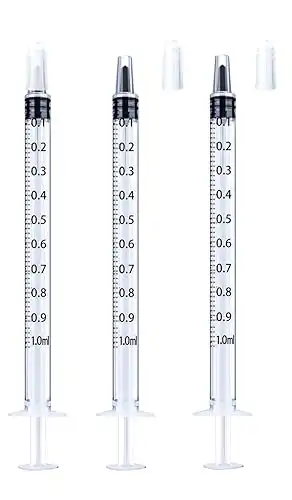
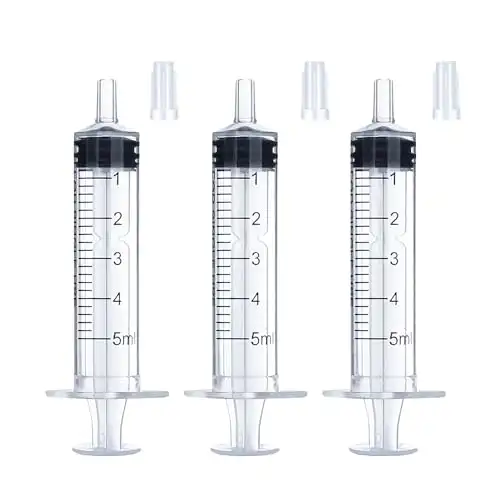
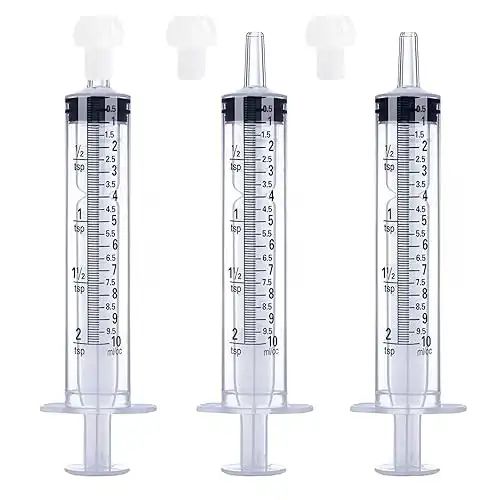
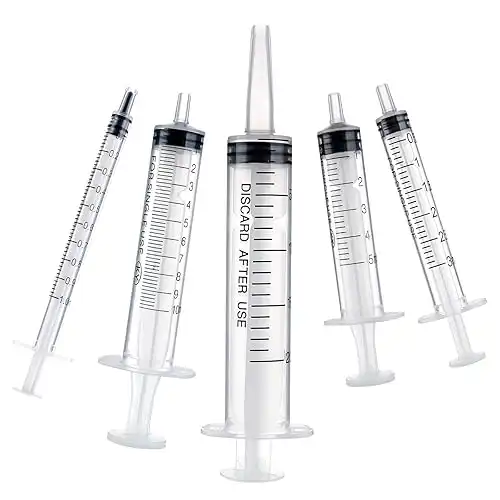
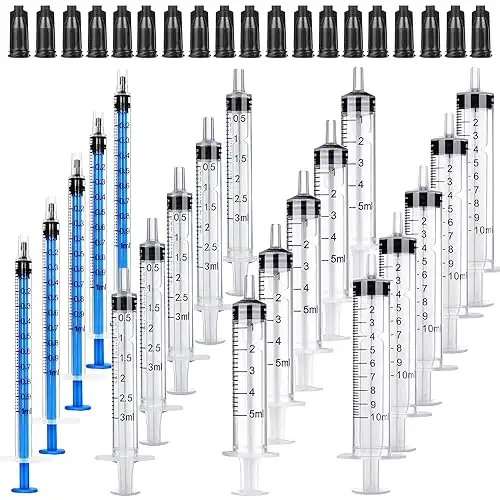
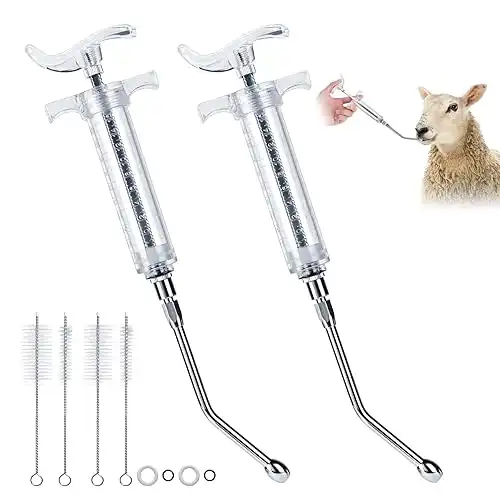
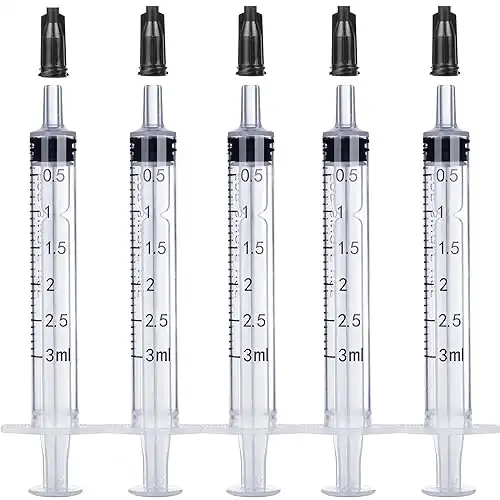
- 1ml syringes for newborns and very small puppies
- 3ml and 5ml syringes for growing puppies
- 10ml syringes for larger puppies
- Luer slip syringes work best for accurate dosing
| Product Image | Product Name / Our Rating / Price | Primary Button |
|---|---|---|
| ||
| ||
| ||
| ||
| ||
| ||
|
Stage 1: Weeks 2-6 (Early Intervention Phase)
Roundworms and Hookworms Treatment
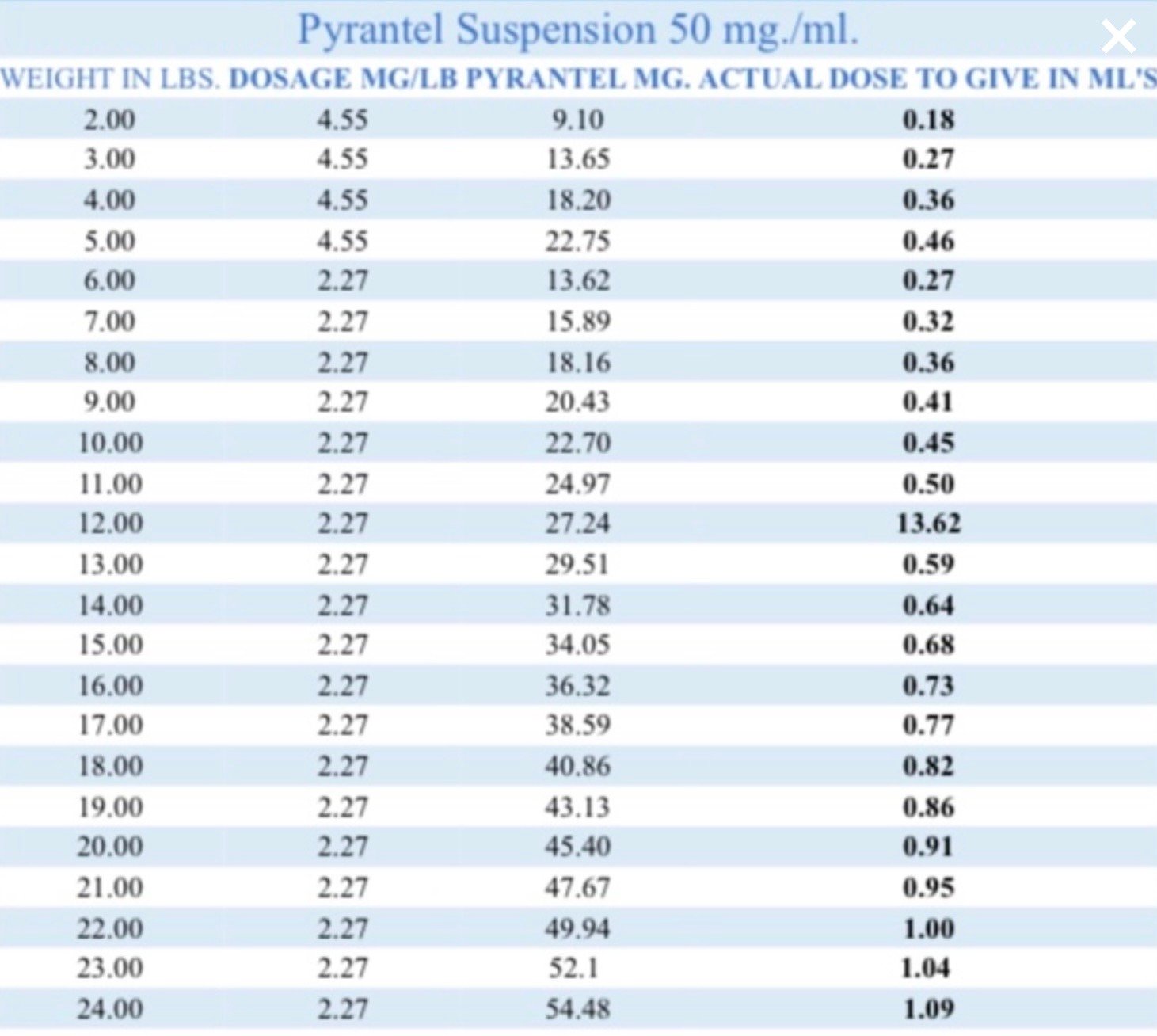
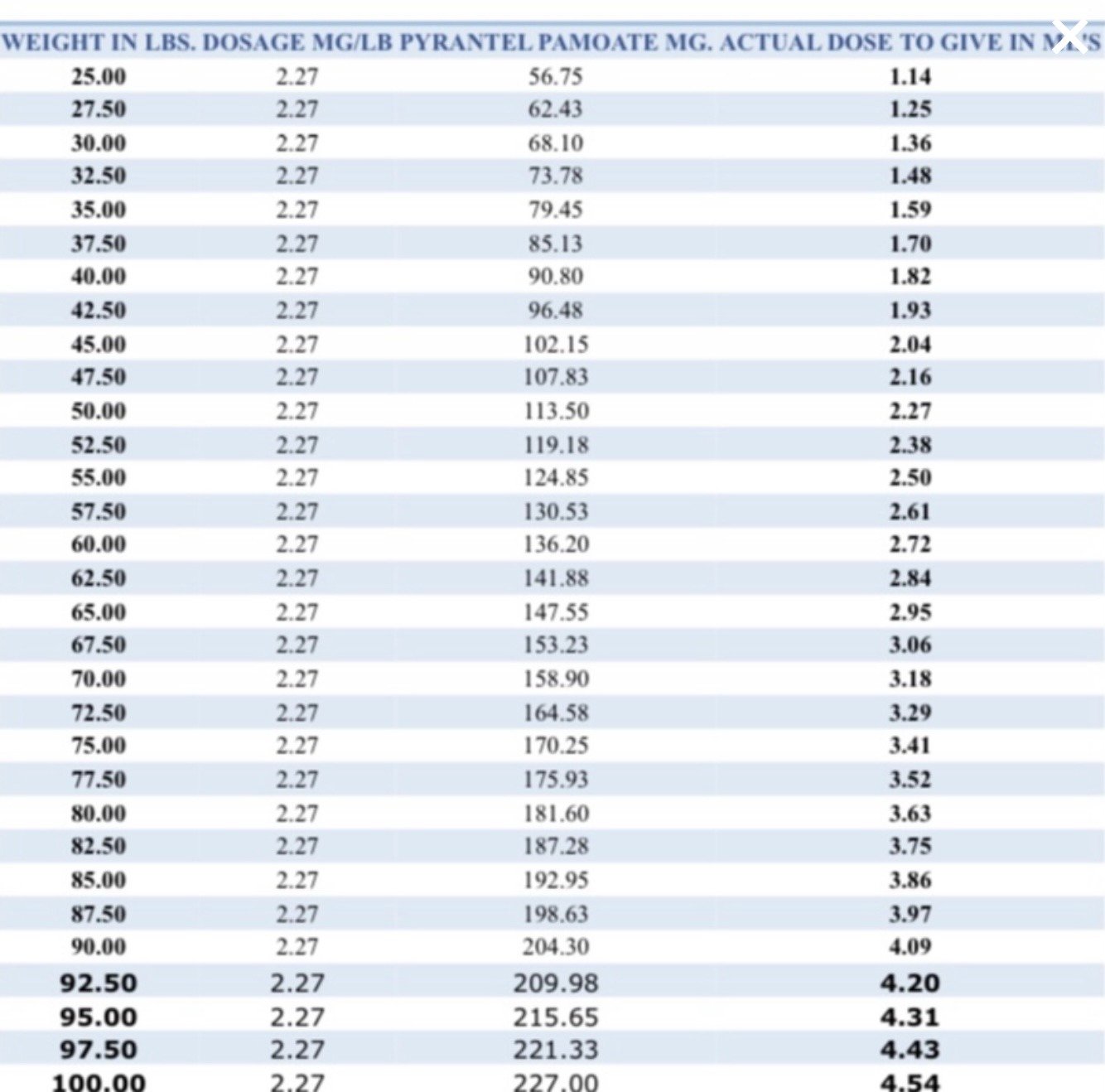
Product: Pyrantel Pamoate (Nemex-2 or equivalent) Dosage: 1ml per 10 lbs body weight Schedule: Every 2 weeks starting at 2 weeks of age
Why this matters: Roundworms and hookworms can be transmitted in utero and through nursing. Early intervention prevents these parasites from establishing heavy loads that compromise puppy development.
Pro tip: Treating the mother 10 days before whelping and concurrent with puppy treatments significantly reduces transmission rates.
Coccidiosis Prevention (High-Risk Situations)
Product: Toltrazuril 5% Suspension Preventive Dosage: 5mg per lb body weight Schedule: First dose at 4 days, then every 2 weeks from 2-14 weeks
When to start early prevention:
- History of coccidiosis in your livestock
- Wet environmental conditions
- High-density animal housing
- Previous litter issues
Pyrantol Pamoate Dosages
Toltrazuril Dosages
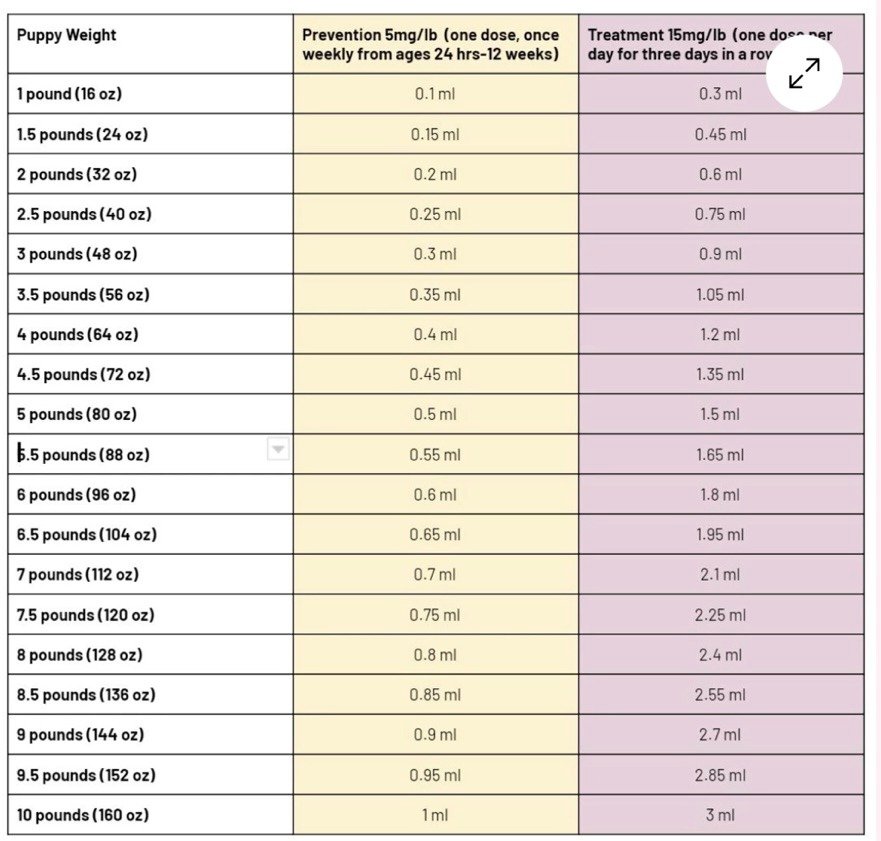
Stage 2: Weeks 6+ (Comprehensive Protection Phase)
Full-Spectrum Deworming
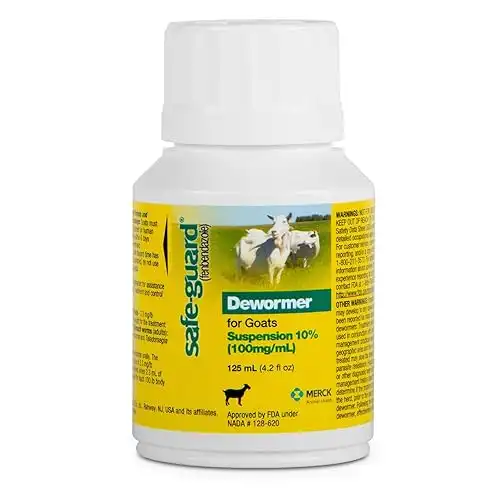
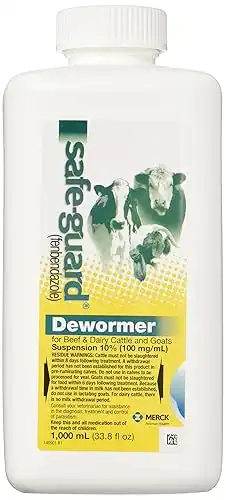
Product: Safeguard 10% Fenbendazole (Goat Dewormer) Dosage: 1ml per 5 lbs body weight Administration: 5 consecutive days Schedule: Weekly treatments at 6, 8, 10, and 12 weeks, then monthly until 5-6 months
Why we switch to Fenbendazole:
- Covers giardia (pyrantel doesn’t)
- Effective against tapeworms
- Handles resistant roundworm populations
- Proven safe for repeated use
Giardia-Specific Considerations
Livestock guardian dogs face higher giardia exposure due to:
- Access to livestock water sources
- Exposure to standing water and puddles
- Contact with wildlife reservoirs
- Outdoor lifestyle from an early age
For suspected giardia exposure: Start fenbendazole at 4 weeks instead of 6 weeks.
For resistant giardia cases: Your veterinarian may prescribe metronidazole as an additional or alternative treatment.
| 
|
Our Rating:
5.0 | Our Rating:
5.0 |
$31.00
| $109.99
|
Stage 3: Long-Term Prevention (6+ Months)
Ongoing Monitoring and Prevention
Monthly treatments: Continue monthly fenbendazole treatments until 6 months of age Adult schedule: Transition to quarterly treatments or as recommended by your veterinarian Environmental management: Maintain clean water sources and manage livestock parasite loads
While parasite prevention is crucial, proper vaccination timing and protocols are equally important for protecting young puppies from serious diseases.
Advanced Prevention: The Cocciguard Protocol
What Is Cocciguard?
Cocciguard is a livestock coccidiostat that we’ve successfully adapted for canine use. This preventive approach has eliminated coccidiosis outbreaks in our breeding program since implementation in 2021.
Important distinction: Cocciguard is prevention only, not treatment. Active infections still require Toltrazuril treatment.
Implementation Protocol
For pregnant/nursing females:
- Mix Cocciguard into daily food ration
- Ratio: 4 cups Cocciguard per 45 lb bag of food
- Continue throughout pregnancy and nursing
For puppies:
- Begin when starting solid food (usually 3-4 weeks)
- Same ratio as mothers: pre-mixed into puppy food
- Continue until adult transition
Storage and Handling
- Purchase 10 lb bags from Revival Animal Health for breeding programs
- Pre-mix into dog food as you fill storage containers
- Store in cool, dry location
- Check expiration dates regularly

Restoring Gut Health: The Critical Probiotic Phase
Parasite treatments, while necessary, can disrupt beneficial gut bacteria. Restoring healthy gut flora is essential for:
- Proper nutrient absorption
- Immune system development
- Digestive health
- Prevention of secondary infections
When to Use Probiotics
- After every parasite treatment cycle
- During or after antibiotic treatments
- When puppies show digestive upset
- As preventive support during stress periods (weaning, rehoming)
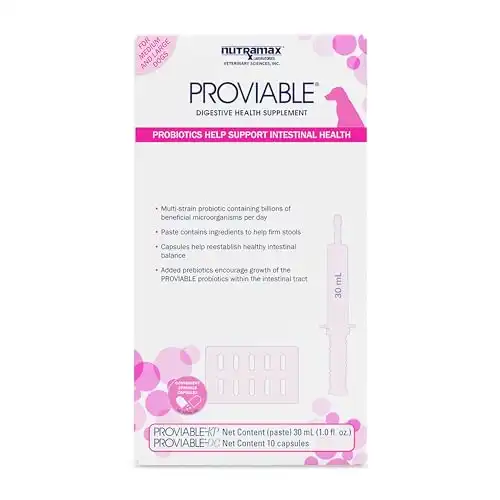
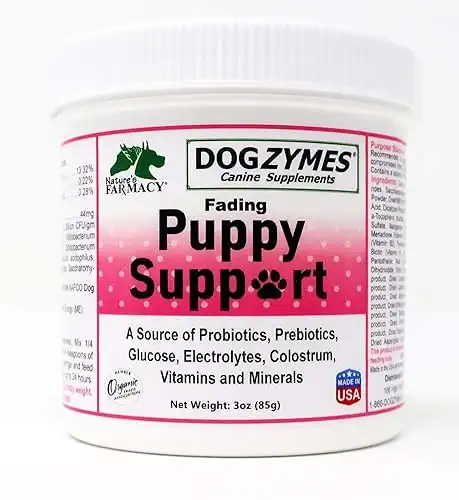
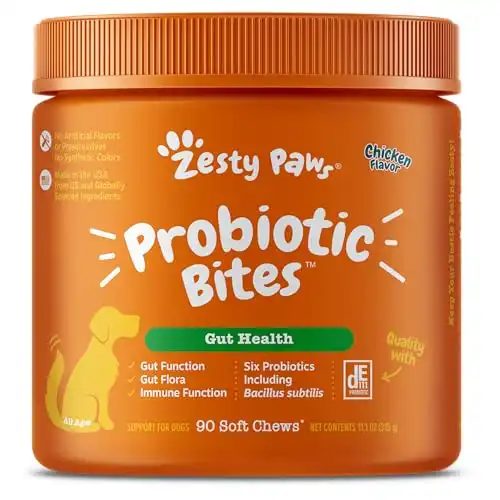
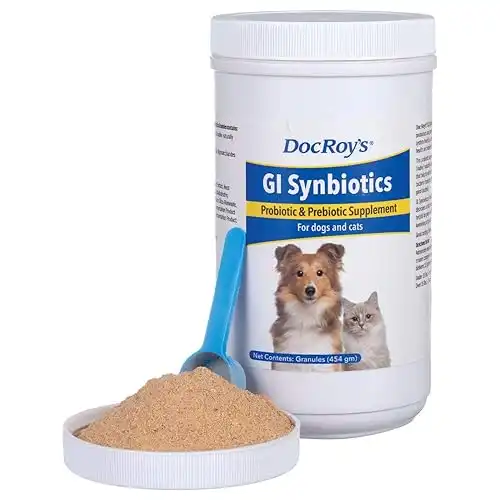
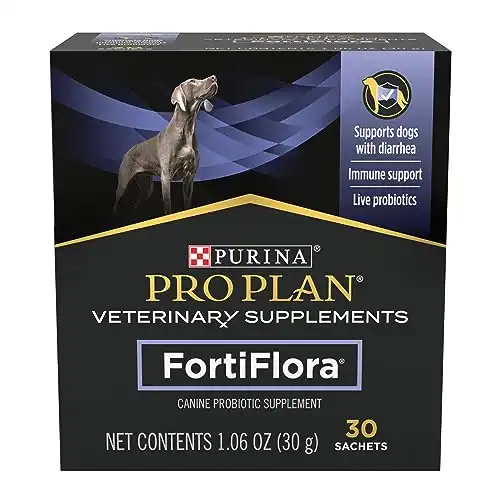
Recommended Probiotic Options
For routine use:
- Canine-specific probiotic pastes or powders
- Multi-strain formulations preferred
- Follow manufacturer’s dosing guidelines
For intensive restoration:
- Veterinary-grade probiotics
- Higher colony counts for compromised systems
- Extended treatment periods
| Product Image | Product Name / Our Rating / Price | Primary Button |
|---|---|---|
| ||
| ||
|

Environmental Management: Reducing Parasite Pressure
Water Source Management
Clean water protocols:
- Empty and refill water containers daily when possible
- Use elevated water sources to reduce contamination
- Avoid stagnant puddles and pond access during vulnerable periods
- Consider automatic waterers for consistent clean water
Livestock water considerations:
- Puppies will access livestock water sources
- Maintain clean troughs to reduce overall farm parasite load
- Monitor for algae and bacterial growth
Housing and Exercise Areas
Puppy area management:
- Regular removal of feces (daily minimum)
- Rotation of pastures for stock and LGDs when possible
- Drainage management to prevent standing water
- Regular cleaning of shelter areas
Integration considerations:
- Gradual introduction to livestock areas
- Supervised access during early stages
- Monitoring for environmental stress factors
Recognizing Treatment Failure: When to Escalate
Warning Signs
Immediate veterinary attention needed:
- Bloody diarrhea persisting despite treatment
- Rapid dehydration (tacky gums, skin tenting)
- Lethargy and depression
- Vomiting combined with diarrhea
- Failure to gain weight despite good appetite
Protocol adjustments to consider:
- Fecal testing to identify specific parasites
- Prescription medications for resistant cases
- Extended treatment protocols
- Environmental evaluation and modification
Working With Your Veterinarian
Prepare for discussions:
- Document treatment schedules and responses
- Bring fecal samples for testing
- Discuss farm-specific risk factors
- Review long-term prevention strategies
Questions to ask:
- Farm-specific parasite risks in your area
- Resistance patterns for common dewormers
- Integration with livestock parasite control programs
- Emergency treatment protocols

Cost-Benefit Analysis: Investment in Prevention
Prevention Costs (Per Puppy)
Basic supplies:
- Scale: $40-300 (one-time purchase)
- Syringes: $10-20 per litter
- Pyrantel pamoate: $15-25
- Fenbendazole: $30-60
- Toltrazuril: $50-80 (if needed)
- Probiotics: $20-40
Total prevention investment: $165-475 per puppy (A breeder would be dividing the costs of the scales over several litters)
Treatment Costs (Emergency Scenarios)
Veterinary emergency visit: $150-300 Diagnostic testing: $75-150 IV fluids and hospitalization: $300-800Prescription medications: $50-150 Extended care: $200-500
Total emergency costs: $775-1,900 per puppy (This is probably a low estimate. Costs vary by region and veterinarian.)
Beyond Financial Considerations
Successful prevention provides:
- Confidence in your puppy’s health
- Timely integration with livestock
- Proper growth and development
- Strong immune system development
- Peace of mind during critical early months
Frequently Asked Questions
Q: Can I use the same dewormers I use for my other dogs?
A: While some dewormers overlap, livestock guardian dogs need broader spectrum protection due to their environmental exposure. Standard pet protocols often miss giardia and coccidiosis, which are major concerns for LGDs.
Q: How do I know if my prevention protocol is working?
A: Healthy puppies should have normal, formed stools, steady weight gain, bright eyes, healthy coats, and good energy levels. Any deviation warrants fecal testing and protocol evaluation.
Q: When can I reduce the intensive prevention schedule?
A: Most puppies can transition to adult protocols around 6 months of age, but this depends on individual development, environmental factors, and veterinary recommendations.
Q: What if I miss a treatment dose?
A: Resume the schedule as soon as possible. Missing one dose usually isn’t critical, but don’t skip ahead – maintain the interval from when you resume.
Q: Can I prevent parasites through diet alone?
A: While good nutrition supports immune function, environmental parasite pressure on working dogs typically requires pharmaceutical intervention. Natural supplements can be supportive but shouldn’t replace proven protocols.
Conclusion: Protecting Your Livestock Guardian Investment
Implementing a comprehensive parasite prevention protocol isn’t just about puppy health—it’s about protecting your entire livestock operation investment. A healthy, well-developed livestock guardian dog will serve your farm reliably for years to come, while a puppy compromised by early parasite problems may never reach full potential.
Remember:
- Start prevention early (2 weeks of age)
- Use farm-appropriate protocols, not just pet protocols
- Monitor closely and adjust as needed
- Work with a veterinarian familiar with working dogs
- Don’t cut corners during the critical first 6 months
Your next step: Review your current prevention protocols and identify any gaps. If you’re preparing for a new puppy, gather supplies now and establish a relationship with a veterinarian who understands working dog needs.
The time and money invested in proper parasite prevention during those crucial first months will pay dividends throughout your guardian dog’s working life. Your livestock—and your peace of mind—depend on getting this foundation right.
While parasite prevention is crucial, proper vaccination timing and protocols are equally important for protecting young puppies from serious diseases.
Need help selecting the right livestock guardian dog for your operation? Our comprehensive evaluation process ensures you receive a healthy, well-socialized Maremma from health-tested, working parents. Contact us to discuss your specific needs and learn about our current availability.
Related Reading: Our Puppy Vaccination Schedule & Protocol
Learn about our evidence-based approach to protecting puppies from deadly diseases like parvo and distemper, and why timing matters.